
Zuke's
Zuke's Mini Naturals Training Treats
Soft, moist training treats made with real chicken. Under 3 calories per treat, perfect for training sessions.
View on AmazonLast updated: 2026-04-10
How we researched this: we compared the manufacturer's specifications and label claims, published guidance and reported owner experience. We have not tested this product ourselves, and nothing here is veterinary advice. Editorial policy
Strengths
- Under 3 calories each
- Real chicken first ingredient
- Soft texture
- No corn, wheat, or soy
Drawbacks
- Small size
- Can crumble in pocket
- Strong smell
Zuke's Mini Naturals Training Treats: In-Depth Research
Editorial analysis by the FurReviews team, based on manufacturer specifications, published guidance and reported owner experience. We have not tested this product ourselves.
Why calories per treat is the number that matters
Training works on repetition, and repetition means a lot of treats. A recall session done properly might involve thirty or forty rewards in fifteen minutes.
At three calories a treat, forty rewards is around 120 kcal — a manageable share of a medium dog's day. At twenty calories a treat, the same session is 800 kcal, which for many dogs is most of a day's food.
That arithmetic is the entire argument for a dedicated training treat, and it is why the calorie figure matters more than the ingredient list for this particular product category.
The rule of thumb: keep treats, chews and training rewards under about ten per cent of daily calories, and subtract them from the day's food rather than adding them on top. A dog that trains a lot should have its meals reduced accordingly.
Size and texture decide whether a treat is usable
A good training treat is:
Hard biscuit treats fail on the second and fourth points, which is why they are poor training rewards however good the ingredients.
Build a value hierarchy
Not all rewards should be equal, and this is the thing most owners never do.
Using your best reward for a sit in the kitchen leaves you nothing for the moment the dog is about to chase a squirrel. Save it.
Timing beats value
A reward delivered more than a second or two after the behaviour is teaching the dog something other than what you intended.
Fading treats without losing the behaviour
The goal is not a dog that only works for food. It is a dog for whom the behaviour is automatic.
Move gradually from every repetition, to most, to occasional and unpredictable. Add real-life rewards — a door opened, a lead clipped on, a ball thrown, permission to go and sniff — which are often more valuable than food in the moment.
Keep occasional food rewards forever. A behaviour that is never reinforced eventually decays.
Human foods to avoid
If you use kitchen food as high-value rewards, know the list:
Plain cooked chicken, plain cheese in small amounts, and plain cooked liver in very small amounts are the usual safe high-value choices.
Who should look elsewhere
If your dog has a food sensitivity, check the protein source against what you are avoiding, because treats are the commonest way an elimination trial gets broken. If you need a very high-value reward, kitchen chicken or cheese beats any commercial treat. And if your dog is overweight, train with its own kibble measured out of the daily ration.
Sources for health information
- AAFCO — pet food labels and nutrient profiles
- WSAVA Global Nutrition Committee — selecting a pet food
- U.S. FDA Center for Veterinary Medicine — animal food, drugs and safety alerts
- ASPCA Animal Poison Control Center — toxic foods, plants and products
- American Veterinary Medical Association — pet owner resources
Zuke's Mini Naturals Training Treats: Common Questions
How many treats can I give while training?
Keep treats, chews and training rewards under about ten per cent of daily calories, and subtract them from the day's food rather than adding them on top. That is why calories per treat matters so much — forty rewards at three calories is manageable; forty at twenty calories is most of a dog's day.
What makes a good training treat?
Small, soft, smelly and non-crumbly. Pea-sized or smaller, swallowed in a second so the dog does not lose the thread, aromatic enough to be worth working for, and not shattering into crumbs the dog hoovers off the floor. Hard biscuits fail on softness and crumbliness however good the ingredients.
Should I use the same treat for everything?
No — build a hierarchy. The dog's own kibble for easy repetitions at home, a commercial soft treat for known behaviours with mild distraction, and something rare like cooked chicken or cheese for recall around other dogs, vet visits and anything genuinely hard. Save the best for when you need it.
How do I stop needing treats?
Fade gradually rather than stopping. Move from rewarding every repetition to most, then to occasional and unpredictable, and add real-life rewards — a door opened, a lead clipped on, permission to go and sniff. Keep occasional food rewards forever, because a behaviour that is never reinforced decays.
Which human foods are unsafe as treats?
Xylitol, sometimes labelled birch sugar and found in sugar-free peanut butter and sweets, plus chocolate, grapes and raisins, onions, garlic and chives, macadamia nuts, alcohol and cooked bones. Plain cooked chicken, small amounts of plain cheese and very small amounts of plain cooked liver are the usual safe high-value options.
Where to Buy
As an Amazon Associate, FurReviews earns from qualifying purchases at no extra cost to you.
Similar Products You Might Like

Blue Buffalo
Blue Buffalo Dental Bones
Dental chew bones marketed to clean teeth and freshen breath. Made with wholesome ingredients and added vitamins.
+ Marketed for dental care
+ No artificial flavors
- Messy to eat
- Calories add up
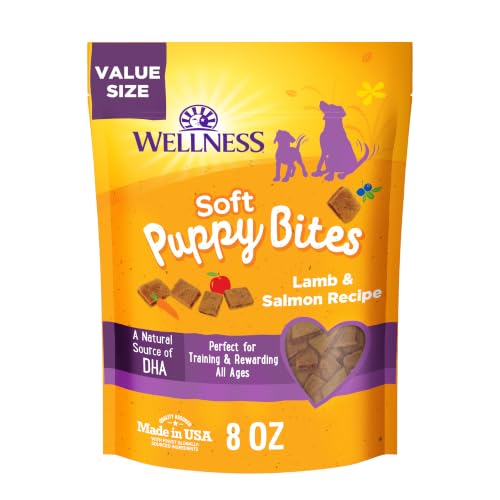
Wellness
Wellness Soft Puppy Bites Grain-Free Treats
Grain-free soft treats specifically formulated for puppies. Made with lamb and salmon, with added DHA.
+ Puppy-specific formula
+ Added DHA
- Small bag size
- Premium price

Blue Buffalo
Bits Soft Dog Treats for Training
Blue Buffalo dog treats listed for comparison. We have not yet researched this product in depth — check the full specifications on the retailer's page.
