Best Dog Training Treats 2026: Size, Value & Low-Calorie Picks
How to pick training treats by size, softness and value tier, keep within the 10% calorie rule, and build a reward hierarchy that actually works.
Affiliate Disclosure: FurReviews earns commissions from qualifying purchases. That does not affect what we recommend. Learn more

Training treats are a tool with a specification, not just a snack. The right treat is tiny, soft, smelly and fast to eat. Get those four things right and your dog learns faster, because you can deliver twenty repetitions in the time a biscuit-sized treat takes to chew once.
The four specifications
Small. A training treat should be roughly pea-sized — around 3 calories or less for most dogs. Twenty rewards then cost about 60 calories rather than 300.
Soft. Crunchy treats crumble on the floor, and the dog stops working to hoover up fragments. Soft and slightly moist stays in the mouth.
Smelly. Scent is what makes a dog stay engaged in a distracting environment. Freeze-dried liver and fish-based treats punch above their weight here.
Fast. Anything the dog has to chew for more than two seconds breaks the rhythm of a training session.
Build a value hierarchy
Not every reward should be the same. Use three tiers:
Dogs work harder when they cannot predict the payout. Mixing tiers randomly within a session is more motivating than always giving the best thing.
The 10% rule
Treats should stay under about 10% of daily calories, and the rest of the diet should be reduced accordingly during heavy training weeks. Practical tactics:
Ingredient reading, briefly
Look for a named protein first (chicken, salmon, beef liver), a short list, and no added sugars or syrups. Single-ingredient freeze-dried meat or fish is the cleanest option and usually the smelliest, which makes it the best high-value choice. Grain content is not inherently a problem; unless your vet has diagnosed a specific allergy, grain-free offers no proven advantage for training treats.
For dogs with sensitive stomachs, pick one novel protein and stay on it — the classic mistake is rewarding with five different proteins in a week and then not knowing which caused the upset.
Puppies
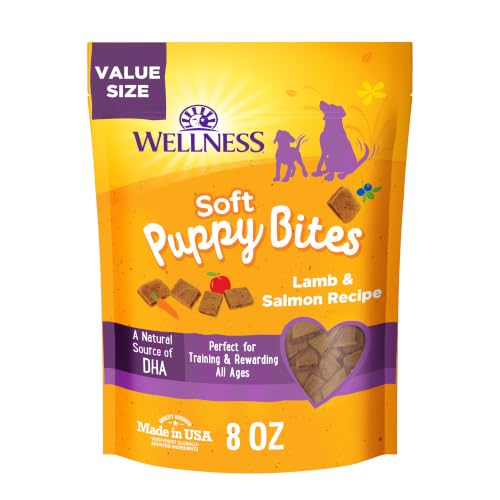
Puppy training happens in the most important window of a dog's life, so make it easy. Use very small, very soft treats, and count them into the daily food allowance. Puppies fill up fast; a puppy who stops working after ten treats is full, not stubborn. Rotate to part of a wet meal or a lick mat for calm-settle practice.
Delivery matters as much as the treat
Treats to avoid in training
Large dental chews, rawhide, bully sticks and stuffed bones are all fine as recreational chews, but they are not training treats — they take too long. Skip anything with xylitol, grapes/raisins, chocolate, onion or garlic powder. Be cautious with very fatty human food such as bacon or trimmings; a dog with a history of pancreatitis needs low-fat rewards, and freeze-dried white fish or lean chicken breast is the safer high-value option.
Storage
Semi-moist treats mould faster than owners expect, especially in a warm training pouch. Keep the bulk in an airtight container in a cool cupboard, carry a few days' worth, and wash the pouch weekly. Freeze-dried treats keep longest and travel best, which is why they belong in your car and coat pockets.
Our editorial take
Keep three things in the house: your dog's kibble for easy work, a bag of small soft commercial training treats for everyday sessions, and freeze-dried liver or fish as your high-value currency. Break everything smaller than you think you need to, subtract it from dinner, and reward faster rather than bigger.
Products Mentioned in This Article


📋 Affiliate Disclosure: FurReviews is reader-supported. When you buy through links on our site, we may earn an affiliate commission at no extra cost to you. This does not influence what we recommend. We compare specifications, materials and reported owner experience rather than testing products in a lab, and we say so on every page. Read our full disclosure
Frequently Asked Questions
How big should a training treat be?
Roughly pea-sized and around 3 calories or less, so you can deliver twenty rewards without overfeeding. Break commercial treats smaller if needed.
Can I use kibble as training treats?
Yes, for easy repetitions at home. Measure it from the daily ration and save higher-value treats for recall, distractions and vet handling.
What are good low-calorie training treats?
Freeze-dried single-ingredient meat or white fish, small pieces of plain cooked chicken breast, or the dog's own kibble. Avoid fatty human trimmings, especially for dogs with pancreatitis history.

