
Blue Buffalo
Blue Buffalo Dental Bones
Dental chew bones marketed to clean teeth and freshen breath. Made with wholesome ingredients and added vitamins.
View on AmazonLast updated: 2026-04-10
How we researched this: we compared the manufacturer's specifications and label claims, published guidance and reported owner experience. We have not tested this product ourselves, and nothing here is veterinary advice. Editorial policy
Strengths
- Marketed for dental care
- No artificial flavors
- Added vitamins
- Multiple sizes
Drawbacks
- Messy to eat
- Calories add up
- Not for aggressive chewers
Blue Buffalo Dental Bones: In-Depth Research
Editorial analysis by the FurReviews team, based on manufacturer specifications, published guidance and reported owner experience. We have not tested this product ourselves.
What a dental chew can and cannot do
Periodontal disease is the most common health problem in adult dogs, and it is painful long before it is visible. Plaque forms on teeth within hours, mineralises into tartar within days, and drives gum inflammation and eventually bone loss around the tooth root.
A dental chew works by mechanical abrasion: the dog's teeth scrape against a textured surface and disturb plaque before it hardens. That is a real mechanism and it has real limits.
What it does: reduces plaque accumulation on the tooth surfaces the chew actually contacts, mainly the large chewing teeth on the sides.
What it does not do: reach below the gum line, where periodontal disease actually happens; clean the front teeth or the inner surfaces, which a chew barely touches; or remove tartar that has already mineralised.
Brushing is the intervention with the evidence
Daily brushing with a dog-specific toothpaste is the thing with the best evidence, and nothing on the shelf replaces it.
Never use human toothpaste. It can contain xylitol, which is toxic to dogs, and fluoride at doses not meant to be swallowed.
Starting is easier than people expect if you go slowly: let the dog lick the toothpaste off your finger for a few days, then rub a finger along the gum line, then introduce a brush, and only then actually brush. Thirty seconds a side is plenty, and the outer surfaces matter most because that is where plaque accumulates.
A dog that will not tolerate brushing is a dog for which chews are genuinely worth having. They are the second-best option, not the equivalent.
Look for the VOHC seal
The Veterinary Oral Health Council maintains a published list of products that have submitted data showing they meet a defined standard for reducing plaque or tartar. It is the only widely recognised independent check in a category full of unverified claims.
A product on that list has evidence behind it. A product that simply says "cleans teeth" has a shape and a marketing department. Checking the VOHC list before buying anything dental is the single most useful filter available to an owner.
Calories, which is where these go wrong
Dental chews are calorie-dense, and one a day is a meaningful share of a small dog's intake.
Keep treats, chews and dental products together under about ten per cent of daily calories, and subtract them from the day's food rather than adding them on top. A dog on a daily dental chew that gained weight has been fed twice, not failed by the chew.
Size and the gulping problem
Buy the size band for your dog's weight. This is a safety point.
A chew too small for the dog gets swallowed in large pieces rather than chewed, which does nothing for teeth and carries a genuine obstruction risk — gastrointestinal obstruction from swallowed chews is a real veterinary presentation and it is surgery.
Supervise, and take the last small piece away from a dog that bolts food rather than letting it swallow it whole. A dog that reliably gulps chews is a dog to brush rather than to give chews.
Digestibility
Chews designed to be digestible are the main formulation difference from a nylon or rawhide chew, and most dogs tolerate them well.
Dogs with sensitive stomachs, a history of pancreatitis, or a food intolerance may not. Introduce one and watch rather than starting a daily habit immediately.
When to see a vet instead
Bad breath is not normal. It is the smell of bacteria and disease.
Signs that need a veterinary dental assessment: visible brown tartar, red or receding gums, reluctance to chew on one side, dropping food, pawing at the mouth, a sudden preference for soft food, or facial swelling.
By that stage, disease is below the gum line where nothing you feed can reach. Scaling under general anaesthetic is the only way to clean there, and anaesthesia-free dental cleaning does not do it — it removes visible tartar and leaves the actual disease, while giving the owner false reassurance.
Who should look elsewhere
If your dog bolts chews whole, brush instead. If your dog has a sensitive stomach or pancreatitis history, ask your vet first. And if there is already visible tartar or bad breath, book a veterinary dental assessment rather than buying another chew.
Sources for health information
- AAFCO — pet food labels and nutrient profiles
- WSAVA Global Nutrition Committee — selecting a pet food
- U.S. FDA Center for Veterinary Medicine — animal food, drugs and safety alerts
- ASPCA Animal Poison Control Center — toxic foods, plants and products
- American Veterinary Medical Association — pet owner resources
Blue Buffalo Dental Bones: Common Questions
Do dental chews really clean teeth?
They reduce plaque on the surfaces they actually contact, mainly the large side chewing teeth, through mechanical abrasion. They do not reach below the gum line where periodontal disease happens, barely touch the front and inner surfaces, and cannot remove tartar that has already mineralised.
Are dental chews as good as brushing?
No. Daily brushing with a dog-specific toothpaste has the best evidence of anything you can do, and never use human toothpaste — it can contain xylitol, which is toxic to dogs. Chews are a genuinely useful second best for dogs that will not tolerate brushing.
How do I know a dental product actually works?
Check the Veterinary Oral Health Council's published accepted-products list. Products on it have submitted data showing they meet a defined standard for reducing plaque or tartar, and it is the only widely recognised independent check in a category full of unverified claims.
Will a daily dental chew make my dog fat?
It can, because they are calorie-dense. Keep treats, chews and dental products together under about ten per cent of daily calories and subtract them from the day's food rather than adding them on top.
My dog already has brown tartar and bad breath. What now?
A veterinary dental assessment. At that stage disease is below the gum line where nothing you feed can reach, and scaling under general anaesthetic is the only way to clean there. Anaesthesia-free cleaning removes visible tartar and leaves the disease while making the mouth look better.
Where to Buy
As an Amazon Associate, FurReviews earns from qualifying purchases at no extra cost to you.
Similar Products You Might Like

Zuke's
Zuke's Mini Naturals Training Treats
Soft, moist training treats made with real chicken. Under 3 calories per treat, perfect for training sessions.
+ Under 3 calories each
+ Real chicken first ingredient
- Small size
- Can crumble in pocket
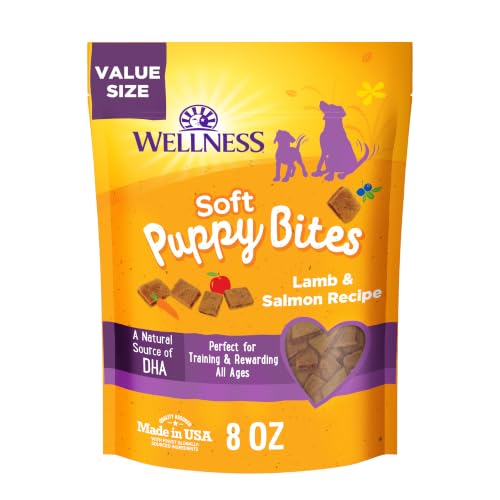
Wellness
Wellness Soft Puppy Bites Grain-Free Treats
Grain-free soft treats specifically formulated for puppies. Made with lamb and salmon, with added DHA.
+ Puppy-specific formula
+ Added DHA
- Small bag size
- Premium price

Blue Buffalo
Bits Soft Dog Treats for Training
Blue Buffalo dog treats listed for comparison. We have not yet researched this product in depth — check the full specifications on the retailer's page.
