PetArmor
PetArmor Plus Flea & Tick Prevention for Dogs
Affordable flea and tick prevention with the same active ingredient as Frontline Plus. 3-month supply.
View on AmazonLast updated: 2026-03-18
How we researched this: we compared the manufacturer's specifications and label claims, published guidance and reported owner experience. We have not tested this product ourselves, and nothing here is veterinary advice. Editorial policy
Strengths
- Budget friendly
- Same active as Frontline
- 3-month supply
- Easy application
Drawbacks
- Less brand trust
- Application can be messy
- Fewer formulations than Frontline
PetArmor Plus Flea & Tick Prevention for Dogs: In-Depth Research
Editorial analysis by the FurReviews team, based on manufacturer specifications, published guidance and reported owner experience. We have not tested this product ourselves.
What "same active ingredient" means and what it does not
PetArmor Plus is a generic topical containing fipronil and (S)-methoprene — the same two actives as Frontline Plus. Fipronil kills adult fleas and ticks; (S)-methoprene is an insect growth regulator that stops eggs and larvae developing.
Generics are a legitimate and well-established category. An approved generic must contain the stated actives at the stated concentration.
What can differ is the formulation around the actives — the carrier solvents and the spreading agents that determine how the product distributes through the skin's oil layer and how well it stays put through baths and rain. Those are not the same as the actives, and they are part of why some owners report a difference and others report none.
Buy from a source you trust
This matters more with a budget generic than with almost anything else in the pet aisle. Counterfeit and grey-market spot-on products circulate on open marketplaces, and a counterfeit pesticide applied to your dog is a genuine safety problem, not just wasted money.
Check the packaging looks right, the leaflet is present and legible, and the product is sold by a legitimate retailer rather than an unfamiliar third-party seller at an improbable price.
Why the fleas do not vanish, whatever you buy
This is the source of most "it did not work" conclusions, and it applies to every flea product on the market.
Only a small share of a household flea population is on the animal at any moment. The rest — eggs, larvae, and armoured pupae — is in carpet, bedding, floorboards and the car. Nothing you put on the dog reaches the pupae, and pupae hatch on their own schedule over weeks.
So fleas after treatment are expected. What matters is whether numbers are falling over a few weeks. Clearing a real infestation takes about three months of consistent monthly treatment, because that is how long the environmental cycle takes to burn through.
The free additions that do the most:
Applying it correctly
Most failures are application errors:
Safety notes that matter
This page describes how the product works. It is not veterinary advice.
Resistance, and when to change class
Fipronil has been in wide use for a long time, and reduced field efficacy has been reported in some regions. That affects generics and the original equally, because it is about the molecule, not the brand.
If you have applied correctly, treated every animal, treated the environment, and are still seeing live fleas after three consistent months, the answer is a different class of product — such as an oral isoxazoline from your vet — rather than a different fipronil brand.
Who should look elsewhere
If your dog swims or is bathed constantly, an oral preventative avoids the wash-off question entirely. If you live somewhere with serious tick-borne disease pressure, discuss tick coverage for your local species with your vet rather than assuming any product covers it. And if a correctly used three-month course has genuinely failed, change drug class rather than brand.
PetArmor Plus Flea & Tick Prevention for Dogs: Common Questions
Is PetArmor the same as Frontline?
It contains the same two actives — fipronil and (S)-methoprene — at the stated concentrations. What can differ is the carrier formulation that determines how the product spreads through the skin's oil layer and how well it resists washing off. Same actives, potentially different delivery, and for many households it works just as well for much less.
Why am I still seeing fleas after treating?
Because most of an infestation is not on the dog. Eggs, larvae and armoured pupae live in carpet and bedding, and nothing applied to the dog reaches pupae. Expect roughly three months of consistent monthly treatment plus thorough vacuuming and hot-washed bedding to clear a real infestation.
Can I use it on my cat?
No. Never apply a dog spot-on to a cat — species formulations and doses differ and it can be dangerous. Buy the cat version, and keep cats away from a freshly treated dog until the application site is dry.
Is it safe to buy generic flea treatment online?
From a legitimate retailer, yes. Counterfeit and grey-market spot-ons circulate on open marketplaces, and a counterfeit pesticide on your dog is a real safety problem. Check the packaging and leaflet look right, and be wary of unfamiliar sellers at improbable prices.
What if it stops working?
Reduced fipronil efficacy has been reported in some areas, and that affects generics and the original equally because it is about the molecule. If you have applied correctly, treated every animal and treated the house, and still see live fleas after three consistent months, ask your vet about a different drug class rather than another fipronil brand.
Where to Buy
As an Amazon Associate, FurReviews earns from qualifying purchases at no extra cost to you.
Similar Products You Might Like

Greenies
Greenies Original Dental Dog Treats
Dental treats listed by the Veterinary Oral Health Council (VOHC) — check vohc.org for the current accepted claim. Made with natural ingredients, according to the manufacturer.
+ VOHC-listed
+ Sized by dog weight
- High calorie per treat
- Can cause digestive issues
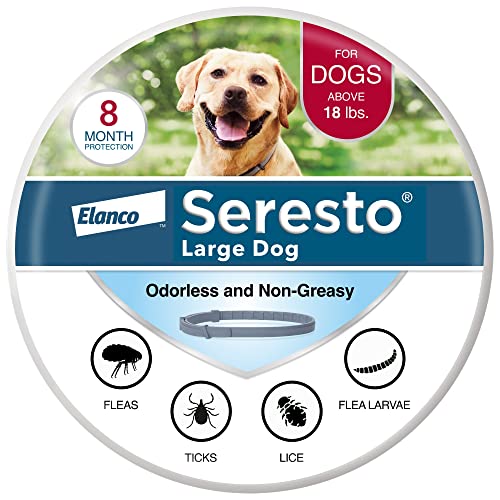
Seresto
Seresto Flea and Tick Collar for Dogs
The manufacturer states 8 months of flea and tick protection from a sustained-release collar. It is odourless and non-greasy in use.
+ 8 months protection
+ Odorless and non-greasy
- Expensive upfront cost
- Rare allergic reactions

Frontline
Frontline Plus Flea and Tick Treatment for Dogs
Monthly topical flea and tick prevention, labelled to kill fleas, ticks and chewing lice. Waterproof after 24 hours.
+ Long-established brand
+ Label covers eggs and larvae too
- Monthly application needed
- Can cause skin irritation