Flea & Tick Prevention for Dogs: What Actually Works in 2026
We compare collars, topicals, and oral treatments to find the most effective flea and tick prevention for every budget.
Affiliate Disclosure: FurReviews earns commissions from qualifying purchases. That does not affect what we recommend. Learn more

How we chose
- Product class and active ingredient, since that decides what the product kills and how fast.
- Which parasites it covers — fleas only, or ticks and other parasites as well — as stated on the label.
- Whether it needs a prescription, and which safety warnings the regulator or maker attaches to it.
- How it is applied, because application errors cause most failures.
Not judged: Which product is right for your dog. Your vet decides that, especially for breeds with drug sensitivities.
Researched from labels, specifications and published guidance — we did not test these products. Editorial policy
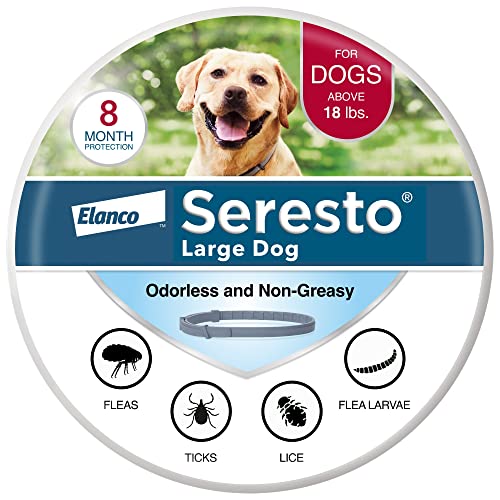
Flea and tick products fall into four classes — spot-ons such as Frontline Plus and PetArmor Plus, oral preventatives, long-acting collars such as the Seresto Collar, and shampoos or sprays — and most "it didn't work" stories come down to how they are used rather than which one was bought. This guide explains the flea life cycle, the product classes, the application errors that cause failures and the safety rules that matter most.
How this guide was put together: we compared manufacturer specifications, labels, published guidance and reported owner experience. We have not tested these products ourselves, and nothing here is veterinary advice. Parasite products are medicines: choose and dose them with your vet.
Most of an infestation is not on your dog
This is the single most useful thing to understand, and it explains nearly every "the treatment didn't work" story.
Only a small share of a household flea population lives on the animal at any moment. The rest — eggs, larvae and armoured pupae — is in carpet, bedding, floorboards and the car. Nothing you put on the dog reaches pupae, and pupae hatch on their own schedule over weeks.
So seeing fleas after treating is expected. What matters is whether the number falls over a few weeks. Clearing a real household infestation takes about three months of consistent monthly treatment, because that is how long the environmental life cycle takes to burn through.
Treat the house, and treat every animal
The free additions do as much as the product:
The main product classes
Topical spot-ons are applied to the skin between the shoulder blades and spread through the skin's oil layer. Many combine an adulticide with an insect growth regulator, which attacks eggs and larvae as well as adult fleas. Wait the stated period — generally 24 to 48 hours — before bathing or swimming, and never apply to a wet dog.
Oral preventatives , including the isoxazoline class, are given as a tablet or chew and are not affected by bathing or swimming. Some cover ticks and some do not, and coverage varies by product. These are prescription in many countries, which is a feature rather than an obstacle — your vet matches the product to your dog and your local parasite pressure.
Collars release actives slowly over months, which suits households that forget monthly treatments. Fit two fingers under, cut off the excess so it cannot be chewed, and check the skin underneath.
Shampoos and sprays kill what is on the dog at that moment and provide little or no residual protection. They are a supplement, not a prevention plan.
Application errors cause most failures
Safety, stated plainly
Never apply a dog product to a cat. Species formulations and doses differ, and some dog products — permethrin-based ones in particular — are seriously dangerous to cats. This is the most important safety rule with any parasite product.
Check the minimum age and weight on the packaging before treating a puppy. Ask your vet before starting anything if your dog is pregnant, nursing, on medication, or has reacted to a product before. Local skin irritation at an application site happens in some dogs and is worth a call to your vet if it persists.
Ticks need their own thought
Tick species and tick-borne disease pressure vary enormously by region, and not every flea product covers every tick.
Discuss coverage for your local species with your vet rather than assuming. And learn the removal technique: use a proper tick hook or fine-tipped tweezers, grip as close to the skin as possible, and pull steadily. Never burn, smother or twist a tick — those methods make it more likely to regurgitate into the wound.
Check your dog after walks in long grass and woodland, particularly around the head, neck, ears, armpits and between the toes.
Resistance, and when to change class
Some older actives have been in use for decades and reduced field efficacy has been reported in places. If you have applied correctly, treated every animal, treated the environment, and are still seeing live fleas after three consistent months, the answer is a different class of product from your vet — not more of the same one.
Year-round or seasonal?
Many vets now advise year-round prevention, because central heating keeps household flea populations viable through winter and tick activity increasingly extends beyond the traditional season. That is a conversation for your vet based on where you live and what your dog does.
Sources
Products Mentioned in This Article



📋 Affiliate Disclosure: FurReviews is reader-supported. When you buy through links on our site, we may earn an affiliate commission at no extra cost to you. This does not influence what we recommend. We compare specifications, materials and reported owner experience rather than testing products in a lab, and we say so on every page. Read our full disclosure
Frequently Asked Questions
Why am I still seeing fleas after treating my dog?
Because most of an infestation is not on the dog. Eggs, larvae and armoured pupae live in carpet and bedding, and nothing applied to the dog reaches pupae — they hatch on their own schedule over weeks. Expect about three months of consistent monthly treatment plus thorough vacuuming and hot-washed bedding.
Which is better, a spot-on, a tablet or a collar?
It depends on the dog. Spot-ons are widely available but have a no-bathing window; oral preventatives are unaffected by swimming and bathing but are prescription in many countries; collars suit households that forget monthly doses. Tick coverage varies between products, so match it to your local parasite pressure with your vet.
Can I use a dog flea treatment on my cat?
Never. Species formulations and doses differ and some dog products, permethrin-based ones in particular, are seriously dangerous to cats. Buy the cat-specific version and keep cats away from a freshly treated dog until the site is dry.
How do I remove a tick properly?
With a proper tick hook or fine-tipped tweezers, gripping as close to the skin as possible and pulling steadily. Never burn, smother or twist a tick — those make it more likely to regurgitate into the wound. Check after walks in long grass, especially around the head, neck, ears, armpits and between the toes.
What if the treatment stops working?
Reduced field efficacy has been reported for some older actives. If you have applied correctly, treated every animal in the house and treated the environment, and still see live fleas after three consistent months, ask your vet about a different drug class rather than repeating the same one.