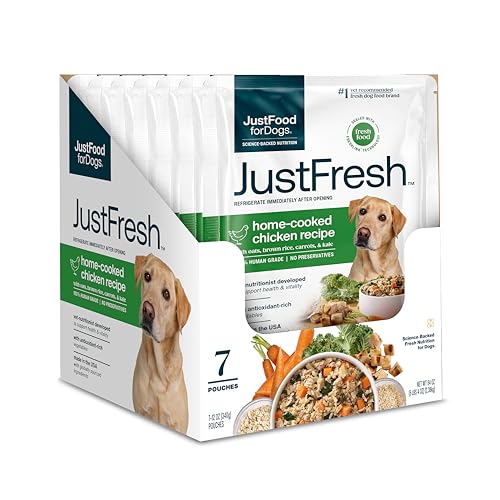
The Farmer's Dog
The Farmer's Dog Fresh Dog Food
Human-grade, freshly made dog food delivered to your door. USDA-quality ingredients, pre-portioned for your dog's needs.
View on AmazonLast updated: 2026-04-10
How we researched this: we compared the manufacturer's specifications and label claims, published guidance and reported owner experience. We have not tested this product ourselves, and nothing here is veterinary advice. Editorial policy
Strengths
- Human-grade ingredients
- Personalized portions
- USDA quality
- Company says vet-formulated
Drawbacks
- Subscription only
- Requires refrigeration
- Most expensive option
The Farmer's Dog Fresh Dog Food: In-Depth Research
Editorial analysis by the FurReviews team, based on manufacturer specifications, published guidance and reported owner experience. We have not tested this product ourselves.
What "fresh" food actually is
This is gently cooked whole-ingredient food, refrigerated or frozen, portioned to your dog's calculated calorie needs and delivered on a subscription. It is not raw, and it is not kibble.
The two things that genuinely separate it from a bag of dry food are water content and processing. Fresh food is around 70% moisture, similar to wet food, where kibble is around 10%. And it is cooked once at lower temperatures rather than extruded at high heat.
The company states its recipes are formulated by board-certified veterinary nutritionists and made to meet AAFCO nutrient profiles, and its portioning is calculated from the weight, age, activity and body-condition details you enter. Check the AAFCO statement on the pack you actually receive, as you should with any food.
Where the evidence is strong and where it is not
Being straight about this matters, because fresh-food marketing runs well ahead of the research.
Well supported: higher moisture intake is good for dogs, calorie-controlled pre-portioned feeding is an effective way to prevent obesity, and obesity is one of the most consequential health problems in pet dogs. If a fresh subscription stops you free-feeding and eyeballing portions, that alone is a real health benefit — and it is available from any food, fed by weight.
Plausible but not established: claims that fresh food produces better coats, more energy, longer lives or better digestion than a well-formulated kibble. Long-term comparative outcome studies in dogs are scarce. Owners report improvements, and owner reports are not controlled evidence.
The honest position: this is a well-formulated, convenient, calorie-controlled way to feed a dog that many dogs do very well on. It is not proven to outperform a good kibble on health outcomes.
The questions worth asking any premium food
Veterinary nutrition bodies suggest owners ask the same questions of every brand, boutique or supermarket:
A company that answers these directly is telling you something useful. Ask them of this brand and of whatever you are comparing it against.
The practical realities before you subscribe
Fridge and freezer space. This is the one people underestimate. A large dog's delivery is a significant volume of food, and it needs refrigeration. Measure your freezer before ordering for a big dog.
It is a subscription. Deliveries arrive on a schedule, and you need to manage pauses around holidays. Check the cancellation terms before starting, not after.
Handling. Gently cooked food is handled like human food: refrigerate on arrival, use opened packs within the stated window, wash bowls properly, and wash your hands. It spoils — you cannot leave it down all day the way kibble is often left down.
Travel and boarding. A kennel or a pet sitter may not be able to store or serve it, so having a plan for a shelf-stable option is sensible.
Cost. This is the most expensive way to feed a dog, and it scales steeply with body weight. Feeding a large breed this way is a substantial ongoing commitment.
Transitioning
Over seven to ten days, gradually increasing the proportion. Fresh food is richer and more digestible than kibble, and stools typically become smaller and softer — that is expected rather than a problem.
Portions look small compared with kibble. That is correct: the food is calorie-dense relative to its dry matter and pre-portioned to a calculated need. Feeding "what looks right" defeats the main practical benefit.
Weigh your dog monthly and adjust with the company's guidance. Calculated portions are a starting estimate, not a permanent truth — dogs' needs change with season, age and activity.
Who should look elsewhere
If cost or freezer space is a constraint, a good kibble fed by weight to body condition achieves most of the practical benefit. If your dog has a diagnosed condition needing a therapeutic diet, that comes from your vet and no subscription substitutes. And if you travel often or use boarding kennels, a food that needs refrigeration adds logistics you may not want.
Sources for health information
- AAFCO — pet food labels and nutrient profiles
- WSAVA Global Nutrition Committee — selecting a pet food
- U.S. FDA Center for Veterinary Medicine — animal food, drugs and safety alerts
- ASPCA Animal Poison Control Center — toxic foods, plants and products
- American Veterinary Medical Association — pet owner resources
The Farmer's Dog Fresh Dog Food: Common Questions
Is fresh dog food better than kibble?
Better in some measurable ways — much higher moisture, less processing, and pre-portioned calories that prevent the overfeeding most dogs experience. Whether it produces better long-term health outcomes than a well-formulated kibble is not established; comparative studies in dogs are scarce. Many dogs do very well on it, and many do very well on good kibble.
How much freezer space do I need?
More than most people expect, and it scales with the dog. A large dog's delivery is a significant volume that needs refrigeration or freezing. Measure your freezer before subscribing for a big dog — this is the most common practical regret.
The portions look tiny. Is that right?
Usually yes. Portions are calculated from your dog's weight, age, activity and body condition rather than eyeballed, and fresh food looks smaller than the same calories of kibble. Weigh your dog monthly and adjust with the company's guidance rather than feeding what looks right.
How do I transition my dog to fresh food?
Over seven to ten days, gradually increasing the proportion. Expect stools to become smaller and softer — fresh food is more digestible, and that is normal rather than a problem.
Can I leave it in the bowl all day?
No. Gently cooked food is handled like human food: refrigerate on arrival, use opened packs within the stated window, and do not leave it out. That is a real change in routine if you are used to free-feeding kibble.
Where to Buy
As an Amazon Associate, FurReviews earns from qualifying purchases at no extra cost to you.
Similar Products You Might Like
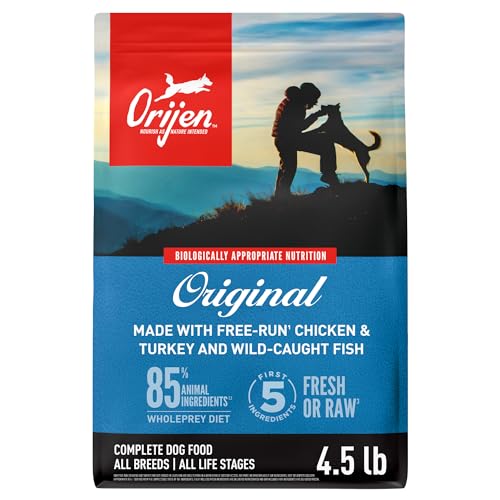
Orijen
Orijen Original Grain-Free Dry Dog Food
Biologically appropriate dog food made with free-run chicken and turkey, wild-caught fish, and cage-free eggs. 85% quality animal ingredients.
+ 85% animal ingredients
+ Grain-free recipe
- Premium price point
- May be too rich for sensitive stomachs

Blue Buffalo
Blue Buffalo Wilderness High Protein Dry Dog Food
High-protein, grain-free recipe inspired by the diet of wolves. Made with real deboned chicken and LifeSource Bits.
+ High protein content
+ LifeSource Bits antioxidants
- Some dogs may have allergies
- Price increased recently

Royal Canin
Royal Canin Size Health Nutrition Medium Adult
Precisely formulated nutrition for medium dogs 23-55 lbs. Marketed for digestive health and stool quality.
+ Size-specific nutrition
+ Sold through veterinary channels
- Contains grains
- Higher price per pound
