
Greenies
Greenies Original Dental Dog Treats
Dental treats listed by the Veterinary Oral Health Council (VOHC) — check vohc.org for the current accepted claim. Made with natural ingredients, according to the manufacturer.
View on AmazonLast updated: 2026-04-01
How we researched this: we compared the manufacturer's specifications and label claims, published guidance and reported owner experience. We have not tested this product ourselves, and nothing here is veterinary advice. Editorial policy
Strengths
- VOHC-listed
- Sized by dog weight
- Widely accepted by dogs (owner reports)
- Natural ingredients
Drawbacks
- High calorie per treat
- Can cause digestive issues
- Expensive per piece
Greenies Original Dental Dog Treats: In-Depth Research
Editorial analysis by the FurReviews team, based on manufacturer specifications, published guidance and reported owner experience. We have not tested this product ourselves.
The VOHC seal is what makes this different from a chew
Most dental treats make claims. A small number carry the Veterinary Oral Health Council's Seal of Acceptance, which means the product has been submitted with data showing it meets a defined standard for reducing plaque or tartar.
That matters because it is the only widely recognised independent check in the category. The VOHC publishes its accepted products list, and checking a product against it is the single most useful filter when you are buying anything sold as dental.
Two honest qualifications. VOHC acceptance is for reducing plaque or tartar accumulation — it is not a claim to treat existing periodontal disease. And a treat is an adjunct, not a replacement for brushing.
Brushing still beats everything
Periodontal disease is the most common health problem in adult dogs, and it is painful long before it is visible. The intervention with the best evidence is daily brushing with a dog-specific toothpaste.
Every other product — dental treats, additives, chews, diets — sits below that. A dental treat is a genuinely useful addition for the many households that will not brush daily, and it is not equivalent.
Never use human toothpaste. It can contain xylitol, which is toxic to dogs, and fluoride at doses not meant to be swallowed.
Calories, which is the thing people miss
These are calorie-dense, and one a day for a small dog is a meaningful share of its daily intake. Treats, chews and dental products together should stay under about ten per cent of daily calories, and should come out of the day's food rather than being added on top.
A dog on a daily dental treat that gained weight has not been failed by the treat — it has been fed twice.
Size matters more than it looks
Buy the size band for your dog's weight, and this is a safety point rather than a value one.
A treat too small for the dog can be swallowed in large pieces rather than chewed, and there have been reports over the years of gastrointestinal obstruction associated with dental chews swallowed whole. The chewing is the mechanism — a treat gulped down does nothing for teeth and carries a risk.
Practical rules: give the right size, supervise, and take the last small piece away from a dog that bolts food rather than letting it swallow it whole. A dog that reliably gulps chews is a dog for brushing rather than chews.
Digestibility, and the dogs that should avoid them
These chews are designed to be digestible, which is the main formulation difference from a nylon or rawhide chew. Most dogs tolerate them well.
Dogs with sensitive stomachs, a history of pancreatitis, or food intolerance may not. Introduce one and watch rather than starting a daily habit on day one.
What actually causes dental disease
Plaque forms on teeth within hours, mineralises into tartar within days, and drives gum inflammation and eventually bone loss around the tooth root. By the time you can see brown tartar and smell bad breath, disease is established below the gum line where nothing you feed can reach.
That is why the professional cleaning your vet recommends is not an upsell. Scaling under anaesthetic is the only way to clean below the gum line, and anaesthesia-free dental cleaning does not do it — it removes visible tartar and leaves the disease.
Signs worth a vet visit: bad breath, red or receding gums, reluctance to chew on one side, dropping food, pawing at the mouth, or a sudden preference for soft food.
Who should look elsewhere
If your dog bolts chews whole, this is not the right product — brush instead. If your dog has a sensitive stomach or a pancreatitis history, ask your vet first. And if there is visible tartar and bad breath already, that needs a veterinary dental assessment, not a treat.
Greenies Original Dental Dog Treats: Common Questions
Do dental treats actually work?
Products carrying the Veterinary Oral Health Council seal have submitted data showing they meet a standard for reducing plaque or tartar, which is the only widely recognised independent check in the category. They reduce accumulation; they do not treat existing periodontal disease, and they do not replace brushing.
Is a dental treat as good as brushing?
No. Daily brushing with a dog-specific toothpaste has the best evidence of anything you can do. A dental treat is a useful addition for households that will not brush daily. Never use human toothpaste — it can contain xylitol, which is toxic to dogs.
Can dental chews cause a blockage?
A chew swallowed in large pieces rather than chewed can. Give the size band for your dog's weight, supervise, and take the last small piece from a dog that bolts food. A dog that reliably gulps chews should be brushed rather than given chews.
Do dental treats make dogs gain weight?
They can, because they are calorie-dense and given daily. Keep treats, chews and dental products together under about ten per cent of daily calories and subtract them from the day's food rather than adding them on top.
My dog already has brown tartar and bad breath. Will these fix it?
No. By that stage disease is established below the gum line where nothing you feed can reach. That needs a veterinary dental assessment and scaling under anaesthetic. Anaesthesia-free cleaning removes visible tartar and leaves the actual disease.
Where to Buy
As an Amazon Associate, FurReviews earns from qualifying purchases at no extra cost to you.
Similar Products You Might Like
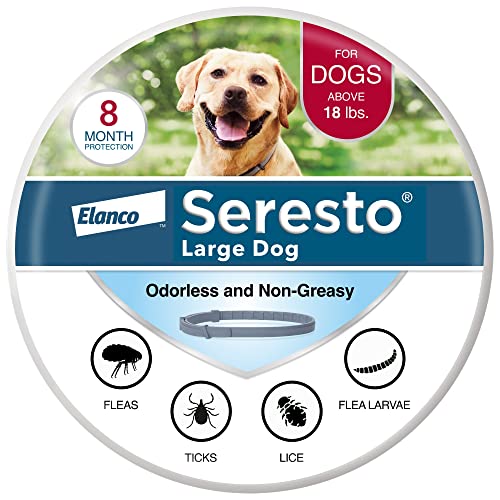
Seresto
Seresto Flea and Tick Collar for Dogs
The manufacturer states 8 months of flea and tick protection from a sustained-release collar. It is odourless and non-greasy in use.
+ 8 months protection
+ Odorless and non-greasy
- Expensive upfront cost
- Rare allergic reactions

Frontline
Frontline Plus Flea and Tick Treatment for Dogs
Monthly topical flea and tick prevention, labelled to kill fleas, ticks and chewing lice. Waterproof after 24 hours.
+ Long-established brand
+ Label covers eggs and larvae too
- Monthly application needed
- Can cause skin irritation

Nutramax
Cosequin Maximum Strength Joint Supplement
A glucosamine and chondroitin joint supplement for dogs, in a chewable tablet.
+ Widely stocked by vets and pet shops
+ Manufacturer cites clinical testing
- Evidence for glucosamine is mixed
- Daily dosing required
