Best Dog Food 2026: The Complete Buyer's Guide
Widely sold dog foods compared on AAFCO life-stage statements, ingredient panels and cost per day — the things you can check before buying.
Affiliate Disclosure: FurReviews earns commissions from qualifying purchases. That does not affect what we recommend. Learn more

The best dog food in 2026 is a complete food whose AAFCO statement matches your dog's life stage, from a maker that employs a qualified nutritionist, fed at a portion that keeps your dog lean. Brand matters less than those three checks. This guide compares widely sold dog foods on what can be verified from the outside: the AAFCO nutritional adequacy statement, the first ingredients, the guaranteed analysis and the price per day.
The foods at a glance
| Food | Built around | Grain-free? | Check before buying |
|---|---|---|---|
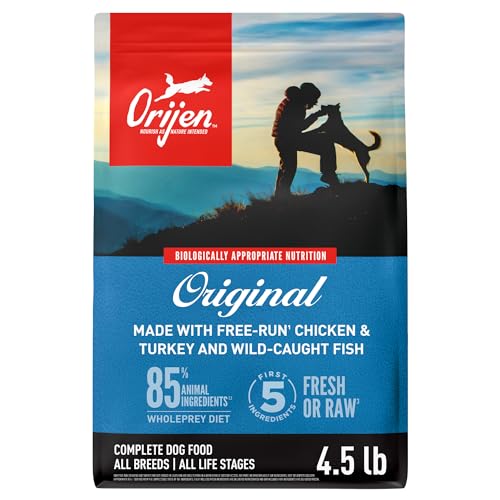
| Orijen Original | A high share of animal ingredients (85%, according to the manufacturer) | Yes | Calorie-dense, so portions are small; one of the most expensive per day |
| Purina Pro Plan | A broad range of life-stage and breed-size formulas | Most recipes include grain | Pick the exact formula for your dog's life stage and size |
| Hill's Science Diet Sensitive Stomach & Skin | Digestibility, according to the manufacturer | The standard recipe includes grain | The health claims are the manufacturer's, not ours |
| Taste of the Wild | Novel proteins such as bison and venison | Yes (the brand also sells grain-inclusive recipes) | Ask your vet about the FDA's grain-free/DCM investigation |
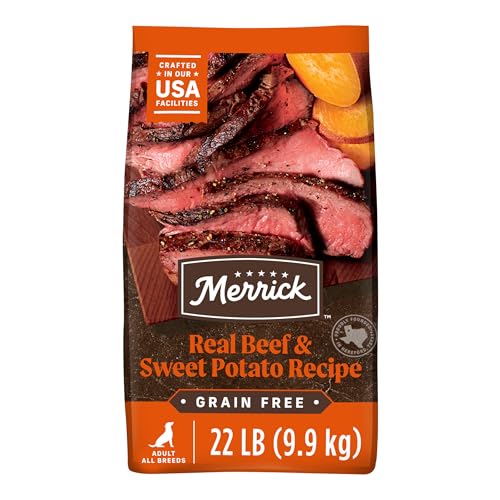
| Merrick Grain-Free | Deboned meat as the first ingredient | Yes | Same grain-free caveat |
How this guide was put together: we compared manufacturer specifications, labels, published guidance and reported owner experience. We have not tested these products ourselves, and nothing here is veterinary advice. We have not fed these foods to a test group; palatability and how well a dog does on a food vary by dog and are only reported, never measured, here.
How we compared them
Each food is compared on four things you can verify yourself: whether the AAFCO statement covers your dog's life stage ("growth", "adult maintenance" or "all life stages"), the first five ingredients, the guaranteed analysis, and the cost per day at the bag size most people buy.
High animal-ingredient option: Orijen Original
Orijen Original is marketed on a high share of animal ingredients (85%, according to the manufacturer) and a "WholePrey" recipe that includes organ meat. It is calorie-dense, so the daily portion is smaller than for many foods — check the feeding chart rather than the bag size. It is expensive, and some owners report it is too rich for sensitive dogs.
Widely available option: Purina Pro Plan
Purina Pro Plan is sold almost everywhere, which matters for a food you will be buying for years. Some recipes include live probiotics, which the manufacturer guarantees on the label. It is a mid-priced option with a broad range of life-stage formulas.
Sensitive-stomach formula: Hill's Science Diet
Hill's Science Diet Sensitive Stomach & Skin is formulated for digestibility, according to the manufacturer. The brand says it is widely recommended by vets and that its antioxidant blend has been clinically tested; both are the manufacturer's claims, not findings of ours.
Novel-protein option: Taste of the Wild
Taste of the Wild uses proteins such as bison and venison at a moderate price. It is grain-free. The U.S. Food and Drug Administration's Center for Veterinary Medicine has investigated reports of dilated cardiomyopathy (DCM) in dogs eating many grain-free and legume-heavy diets since 2018; no causal link has been established, but it is worth discussing with your vet before choosing grain-free without a medical reason.
Also compared: Merrick Grain-Free
Merrick lists deboned beef as its first ingredient and is made in the USA. The same grain-free caveat applies.
How to choose
Start with the AAFCO statement: a puppy needs a food labelled for growth or all life stages, and large-breed puppies need one that says it is suitable for the growth of large-size dogs. Then compare the first ingredients and the cost per day at the portion your dog actually needs. Change foods gradually over about a week to reduce the chance of digestive upset.
The bottom line
There is no single best dog food. A complete, AAFCO-compliant food your dog does well on, fed at a portion that keeps them lean, matters more than the brand. Judge "does well" by body condition, stool quality and energy over several weeks, and ask your vet if anything changes.
Sources
Products Mentioned in This Article


📋 Affiliate Disclosure: FurReviews is reader-supported. When you buy through links on our site, we may earn an affiliate commission at no extra cost to you. This does not influence what we recommend. We compare specifications, materials and reported owner experience rather than testing products in a lab, and we say so on every page. Read our full disclosure
Frequently Asked Questions
What is the best dog food in 2026?
There is no single best one. Look for an AAFCO statement that covers your dog's life stage, a manufacturer that employs a qualified nutritionist and does its own quality control (the WSAVA questions), and a portion that keeps your dog lean. Then judge the food by your dog's body condition, stools and energy over several weeks.
Is grain-free dog food bad for dogs?
Not proven, but not settled either. Since 2018 the FDA has investigated reports of dilated cardiomyopathy in dogs eating many grain-free and legume-heavy diets, without establishing a cause. Unless your vet has a reason for grain-free, a grain-inclusive food avoids the question.
How do I read the AAFCO statement?
Find the line that says the food is formulated to meet, or was fed in trials to meet, AAFCO nutrient profiles for growth, adult maintenance or all life stages. Large-breed puppies need a food that says it suits the growth of large-size dogs (70 lb or more as an adult).
How do I switch dog foods without an upset stomach?
Mix the new food in gradually over about a week — roughly a quarter new for two days, half for two days, three quarters for two days, then all new. Slow down if stools loosen, and talk to your vet if vomiting or diarrhoea lasts more than a day.
How much should I feed my dog?
Start from the bag's chart for your dog's target weight, not its current weight if it is overweight, then adjust by body condition: you should be able to feel the ribs easily without seeing them. Treats count toward the day's calories.

