Zoo Med
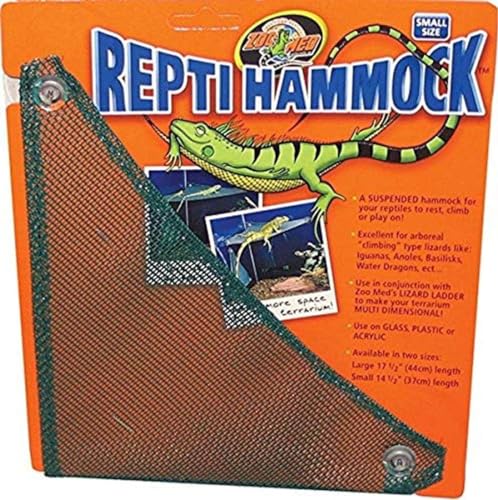
Zoo Med Repti Hammock
Mesh reptile hammock with suction cup attachment. Ideal basking spot for bearded dragons, geckos, and other climbing reptiles.
View on AmazonLast updated: 2026-03-22
How we researched this: we compared the manufacturer's specifications and label claims, published guidance and reported owner experience. We have not tested this product ourselves, and nothing here is veterinary advice. Editorial policy
Strengths
- Easy to install
- Durable mesh
- Reptiles love it
- Washable
Drawbacks
- Suction cups can fail
- Mesh frays over time
- Limited weight capacity
Zoo Med Repti Hammock: In-Depth Research
Editorial analysis by the FurReviews team, based on manufacturer specifications, published guidance and reported owner experience. We have not tested this product ourselves.
Vertical space is husbandry, not decoration
Many reptiles kept in captivity are semi-arboreal or fully arboreal, and a bare floor-level enclosure denies them a whole dimension of normal behaviour.
Climbing furniture does three concrete things:
The suction cup problem
Suction cups on glass are the weak point of this whole product category. They release, usually at an inconvenient moment, and more so when:
Practical measures: clean the glass with plain water and dry it thoroughly before fitting, press the cups firmly to expel air, re-seat them at every cleaning, and do not mount a hammock high enough that a fall would injure the animal.
A heavier lizard is the case to be cautious about. If your animal is substantial, a wedged branch or a securely mounted ledge is a better bet than suction.
Mesh, claws and stuck toes
The other risk with any mesh furniture is entanglement. A reptile's claw or toe can catch in a loose or frayed mesh, and a stuck animal can injure itself badly trying to free itself.
Cleaning matters more than it looks
Fabric and mesh in a warm, humid enclosure grow bacteria and mould. A basking hammock collects shed skin, faeces and food debris.
Remove and wash it regularly in hot water with no detergent residue — rinse thoroughly, because soap residue in an enclosure is a genuine problem — and dry it completely before refitting. Replace it when it stops coming clean.
Which species actually want one
Good candidates: crested geckos, gargoyle geckos, chameleons, anoles, young bearded dragons, and many arboreal snakes and lizards that naturally climb.
Less useful: fully terrestrial species. A leopard gecko wants floor-level hides and a warm belly surface, not a hammock, and a ball python wants a tight hide it can press against on all sides rather than an open platform.
For climbers, a hammock is one option among several — cork bark, branches, ledges and live or artificial plants all do the same job and some of them do it more securely.
What it does not replace
A basking platform is not a hide. Reptiles need at least one enclosed retreat where they are touching walls on multiple sides, and ideally one on the warm end and one on the cool end. An open hammock is exposure, not shelter, and an enclosure with climbing furniture and no proper hides is still an enclosure the animal cannot feel safe in.
Who should look elsewhere
For a heavier lizard, use a wedged branch or a bolted ledge rather than trusting suction. For terrestrial species, spend the money on proper hides and a correct thermal gradient instead. And whatever climbing furniture you add, check the distance from it to the UVB and heat lamps before the animal finds out for you.
Zoo Med Repti Hammock: Common Questions
Why do the suction cups keep falling off?
Suction on glass fails with dust, residue, high humidity and temperature cycling — and a tropical enclosure has all of those. Clean the glass with plain water, dry it thoroughly, press the cups firmly to expel air, and re-seat them at every clean. Never mount it high enough that a fall would injure the animal.
Which reptiles benefit from a hammock?
Climbing and semi-arboreal species — crested and gargoyle geckos, chameleons, anoles, young bearded dragons and arboreal snakes. Terrestrial species do not want one: a leopard gecko needs floor-level hides and belly heat, and a ball python wants a tight enclosed hide rather than an open platform.
Is mesh safe for reptiles?
Tight, intact mesh generally is. The risk is entanglement — a claw or toe catching in a frayed or loose weave, and a stuck animal injuring itself trying to free itself. Inspect regularly and replace the moment it frays or develops loose threads.
Does a hammock count as a hide?
No. Reptiles need enclosed retreats where they are touching walls on multiple sides, ideally one on the warm end and one on the cool end. An open basking platform is exposure rather than shelter, and climbing furniture does not substitute for proper hides.
How close to the lamp should it be?
Check the distance from the hammock surface to both the heat lamp and the UVB lamp against the manufacturers' stated figures. An elevated platform that puts the animal much closer to a lamp than intended causes overexposure and burns — the elevation is useful only if the distances still work.
Where to Buy
As an Amazon Associate, FurReviews earns from qualifying purchases at no extra cost to you.
Similar Products You Might Like

Zilla
Zilla Reptile Terrarium Liner
Non-abrasive, absorbent terrarium liner that can't be ingested like loose substrates. Washable and reusable.
+ Safe - can't be ingested
+ Washable and reusable
- Gets dirty quickly
- Can smell over time

Exo Terra
Exo Terra Fogger Ultrasonic Fog Generator
Ultrasonic fog generator for maintaining humidity in tropical terrariums. Creates a natural misty environment.
+ Creates realistic fog
+ Increases humidity
- Mineral buildup
- Short cord

Digital Reptile
QZQ Reptile Thermometer and Humidity Gauge
Digital Reptile reptile accessories listed for comparison. We have not yet researched this product in depth — check the full specifications on the retailer's page.
