
Zilla
Zilla Reptile Terrarium Liner
Non-abrasive, absorbent terrarium liner that can't be ingested like loose substrates. Washable and reusable.
View on AmazonLast updated: 2026-03-20
How we researched this: we compared the manufacturer's specifications and label claims, published guidance and reported owner experience. We have not tested this product ourselves, and nothing here is veterinary advice. Editorial policy
Strengths
- Safe - can't be ingested
- Washable and reusable
- Easy to cut to size
- Non-abrasive
Drawbacks
- Gets dirty quickly
- Can smell over time
- Doesn't look natural
Zilla Reptile Terrarium Liner: In-Depth Research
Editorial analysis by the FurReviews team, based on manufacturer specifications, published guidance and reported owner experience. We have not tested this product ourselves.
The impaction argument, stated honestly
Terrarium liners are sold on the basis that they cannot be swallowed, and impaction is a genuine concern with loose substrates — particularly for animals fed on loose sand, and particularly for juveniles.
The honest picture is more nuanced than either side of the argument usually admits. Impaction in captive reptiles is often multifactorial: a dehydrated animal, one kept at the wrong temperature so digestion is sluggish, or one that is calcium-deficient and eating substrate to compensate, is far more likely to impact than a well-kept animal on the same substrate. Substrate is part of the picture rather than the whole of it.
That said, a liner removes the variable entirely, and for a keeper who is not yet confident about temperature gradients and hydration, that is a reasonable choice. It is a very good substrate for a quarantine enclosure, for a juvenile, and for any animal being monitored.
What a liner costs you
Loose substrate does things a flat liner does not:
For a desert species in a well-managed enclosure the trade is often worth it. For a humidity-dependent species it usually is not.
The claw-snagging problem
This is the practical drawback to watch for. Loop-pile and coarse-weave liners can catch claws and toes, and a stuck animal can injure itself pulling free.
Small animals and animals with delicate toes — geckos in particular — are the ones to be careful about.
Hygiene is the real maintenance burden
This is where liners are most often used badly.
Urates and faeces sit on the surface rather than being absorbed away, and bacteria grow in a warm enclosure quickly. A liner that is cleaned weekly is fine; a liner that is cleaned monthly is a bacterial mat.
What actually prevents impaction
Beyond substrate choice, the things that matter:
Signs worth a reptile vet: straining, no droppings for an unusual period, lethargy, loss of appetite, or a visibly distended abdomen.
Who should look elsewhere
For humidity-dependent species, a deep moisture-retaining substrate does a job a liner cannot. For burrowing species, denying digging is a real welfare cost. And if you keep small geckos, check the weave carefully for claw snagging before using any liner.
Zilla Reptile Terrarium Liner: Common Questions
Does reptile carpet prevent impaction?
It removes swallowed substrate as a variable, which is worth having for juveniles, quarantine setups and keepers still building confidence. Impaction is usually multifactorial though — dehydration, temperatures too low for digestion, calcium deficiency and oversized prey all contribute, so substrate is part of the picture rather than all of it.
What are the downsides of a terrarium liner?
It removes digging and burrowing, which are natural behaviours with welfare value; it holds no moisture, so humidity is much harder to maintain for tropical species; and it provides no thermal buffering. For a desert species in a well-managed enclosure the trade is often worth it.
Can reptile carpet catch claws?
Loop-pile and coarse weaves can, and a stuck animal can injure itself pulling free. Check for a tight, non-looped surface before buying, inspect regularly, and replace the liner as soon as it frays or develops loose threads. Small geckos with delicate toes are the ones to be most careful about.
How often should I clean it?
Spot-clean daily and wash weekly. Urates and faeces sit on the surface rather than being absorbed, so bacteria build quickly in a warm enclosure. The most useful tip is to own two and rotate them, so one is always clean and completely dry while the other is in use.
How should I wash it?
Hot water with no detergent residue left behind — rinse very thoroughly, because soap residue in an enclosure is a real problem — and dry it completely before refitting, since a damp liner grows mould. Replace it once it stops coming clean or smells after washing.
Where to Buy
As an Amazon Associate, FurReviews earns from qualifying purchases at no extra cost to you.
Similar Products You Might Like
Zoo Med
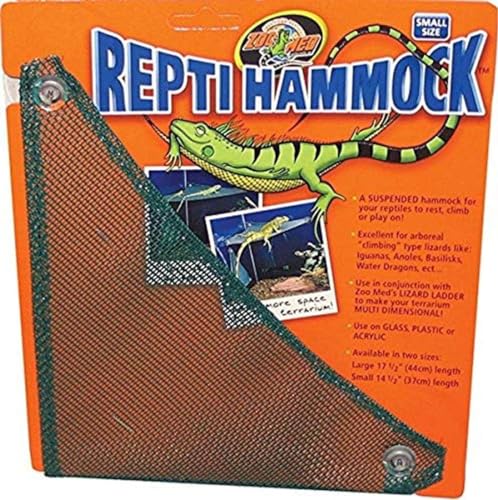
Zoo Med Repti Hammock
Mesh reptile hammock with suction cup attachment. Ideal basking spot for bearded dragons, geckos, and other climbing reptiles.
+ Easy to install
+ Durable mesh
- Suction cups can fail
- Mesh frays over time

Exo Terra
Exo Terra Fogger Ultrasonic Fog Generator
Ultrasonic fog generator for maintaining humidity in tropical terrariums. Creates a natural misty environment.
+ Creates realistic fog
+ Increases humidity
- Mineral buildup
- Short cord

Digital Reptile
QZQ Reptile Thermometer and Humidity Gauge
Digital Reptile reptile accessories listed for comparison. We have not yet researched this product in depth — check the full specifications on the retailer's page.
