Bearded Dragon Setup Guide: Everything You Need for a Happy Beardie
From terrariums to lighting to diet — the complete checklist for setting up the perfect bearded dragon habitat.
Affiliate Disclosure: FurReviews earns commissions from qualifying purchases. That does not affect what we recommend. Learn more

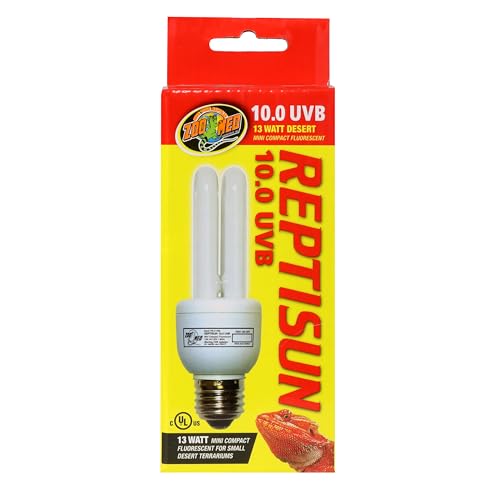
Bearded dragons are a popular first lizard, and they do well when three things are right from day one: an enclosure sized for the adult, a thermostat-controlled heat gradient, and a linear UVB tube such as the Zoo Med ReptiSun replaced on schedule. This guide covers those decisions, then diet, substrate and the signs that need a reptile vet.
How this guide was put together: we compared manufacturer specifications, labels, published guidance and reported owner experience. We have not tested these products ourselves, and nothing here is veterinary advice.
Enclosure size: buy for the adult, once
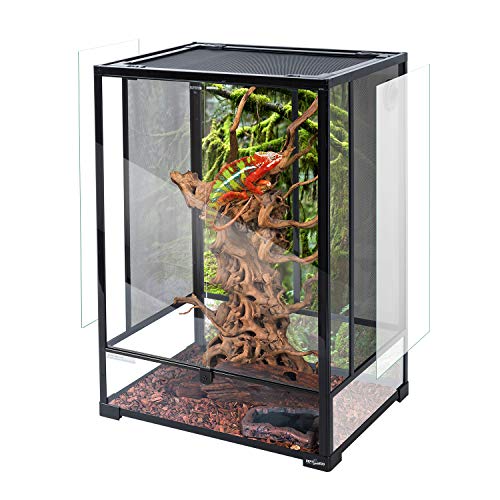
A 36 x 18 x 18 inch enclosure is the commonly cited minimum for an adult bearded dragon, not the ideal. A 48 x 24 x 24 gives a genuinely better thermal gradient and far more room to move, and if you can fit and afford it the animal benefits.
Buy for the adult size rather than the size the dragon is at purchase. Growing an animal through three enclosures costs more than buying the right one once, and a hatchling does perfectly well in a large enclosure with plenty of cover.
Front-opening is worth paying for. Reptiles are prey animals and a hand descending from above reads as a bird of prey; animals in front-opening enclosures generally settle faster and handle more calmly.
Heat: the thermostat rule comes first
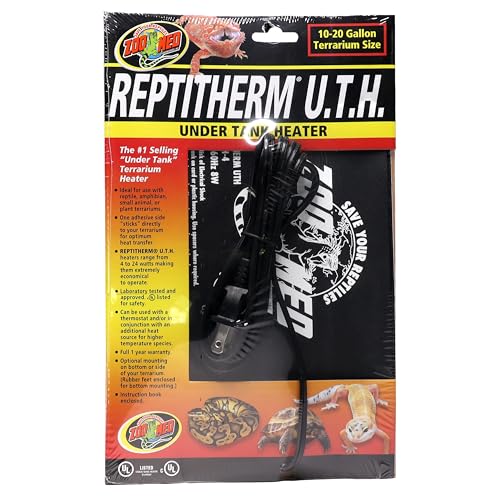
Never run any heat source without a thermostat. Not a basking bulb, not a ceramic emitter, not a heat mat. Unregulated heat is the leading cause of burns and deaths in home reptile enclosures, and a thermostat costs a fraction of the vet bill.
Bearded dragons are basking animals. They need overhead radiant heat from a bulb, producing a genuinely hot basking surface at one end and a distinctly cooler end to retreat to. A heat mat is the wrong tool — it cannot deliver a basking surface temperature and provides no light.
Measure at the surface the animal actually sits on, with an infrared temperature gun or a digital probe. A stick-on dial thermometer on the glass measures air in the wrong place and is close to useless.
Night-time: most homes cool to a temperature dragons tolerate fine, and they benefit from a night drop. If your room gets genuinely cold, use a thermostatted ceramic emitter, which produces heat without light — never a coloured "night bulb", because dragons see the light and it disrupts sleep.
UVB: the thing that most often goes wrong
Bearded dragons need UVB to synthesise vitamin D3 and absorb dietary calcium. Without it they develop metabolic bone disease — soft or deformed bones, a rubbery jaw, tremors, fractures — which is common, preventable and often irreversible.
A UV index meter is the only way to actually know your numbers. Keeper communities often share them.
Diet changes as they grow
Juveniles need a high proportion of insects to grow. Adults flip — the majority of an adult bearded dragon's intake should be plant matter, with insects the smaller share. This surprises most new keepers.
Good staple greens: collard, mustard and turnip greens, dandelion greens, escarole and butternut squash, fresh daily. Avoid spinach and kale in quantity because of oxalates and goitrogens, and iceberg lettuce entirely — it is close to nutritionally empty water. Fruit should be occasional and small.
For insects: dubia roaches, appropriately sized crickets and black soldier fly larvae are good staples; mealworms are a treat rather than a staple. Never feed insects larger than the space between the dragon's eyes — oversized prey is a genuine cause of impaction and neurological problems. Gut-load feeders with quality greens for a day or two first, and dust with calcium on a schedule appropriate to the animal's age.
Substrate
Loose particulate substrates carry an impaction risk for some setups, and calcium sand is widely advised against for bearded dragons. Solid options — tile, a terrarium liner, or paper for a quarantine setup — remove the variable entirely.
Impaction is usually multifactorial though: a dehydrated dragon, one kept too cool to digest properly, or one that is calcium-deficient and eating substrate to compensate is far more likely to impact than a well-kept animal. Get the temperatures and supplementation right and the substrate argument matters much less.
Signs that need a reptile vet
Lethargy, a soft or swollen jaw, tremors or twitching, dragging back legs, not passing droppings, refusing food for an extended period, a visibly distended abdomen, or a sudden change in colour or behaviour.
Brumation — a winter slowdown — is a normal thing adults do, and it is not the same as illness. If you are unsure which you are looking at, that itself is a reason to see a reptile vet rather than wait.
Sources
Products Mentioned in This Article


📋 Affiliate Disclosure: FurReviews is reader-supported. When you buy through links on our site, we may earn an affiliate commission at no extra cost to you. This does not influence what we recommend. We compare specifications, materials and reported owner experience rather than testing products in a lab, and we say so on every page. Read our full disclosure
Frequently Asked Questions
What size tank does a bearded dragon need?
A 36 x 18 x 18 inch enclosure is the commonly cited minimum for an adult, not the ideal — a 48 x 24 x 24 gives a much better thermal gradient and more room. Buy for the adult size rather than the size the dragon is now; a hatchling does fine in a large enclosure with plenty of cover.
Do bearded dragons need UVB?
Yes, and it is not optional. Without UVB they cannot synthesise vitamin D3 or absorb dietary calcium, and metabolic bone disease follows — common, preventable and often irreversible. Use a linear 10.0-class tube with a reflector at the manufacturer's stated distance, and replace it on schedule even while it still lights up.
What should an adult bearded dragon eat?
Mostly plants. Juveniles need a high proportion of insects to grow, but the majority of an adult's intake should be greens — collard, mustard, turnip, dandelion, escarole, butternut squash. Avoid spinach and kale in quantity and iceberg lettuce entirely, and never feed insects larger than the space between the dragon's eyes.
Do I need a thermostat?
Always, with every heat source. Unregulated heat is the leading cause of burns and deaths in home reptile enclosures. Measure at the surface the animal sits on with an infrared gun or digital probe, not with a stick-on dial on the glass.
What substrate is safest?
Solid options — tile, a terrarium liner or paper — remove the impaction variable entirely, and calcium sand is widely advised against. That said, impaction is usually multifactorial: dehydration, temperatures too low for digestion and calcium deficiency all contribute, so getting heat and supplementation right matters more than the substrate argument.
