
Exo Terra
Exo Terra Fogger Ultrasonic Fog Generator
Ultrasonic fog generator for maintaining humidity in tropical terrariums. Creates a natural misty environment.
View on AmazonLast updated: 2026-04-10
How we researched this: we compared the manufacturer's specifications and label claims, published guidance and reported owner experience. We have not tested this product ourselves, and nothing here is veterinary advice. Editorial policy
Strengths
- Creates realistic fog
- Increases humidity
- Easy to use
- Adjustable output
Drawbacks
- Mineral buildup
- Short cord
- Replacement discs needed
Exo Terra Fogger Ultrasonic Fog Generator: In-Depth Research
Editorial analysis by the FurReviews team, based on manufacturer specifications, published guidance and reported owner experience. We have not tested this product ourselves.
What a fogger is for, and what it is not
An ultrasonic fogger sits in a reservoir of water and vibrates a membrane fast enough to throw a cool mist off the surface. In a terrarium it raises ambient humidity and produces the visual fog effect associated with tropical vivaria.
Two things it is not. It is not a substitute for a properly built enclosure — humidity that leaves through a fully open screen top faster than a fogger can add it is a ventilation problem, not a fogger problem. And it is not a drinking water source, though many species will drink the droplets that condense on leaves, which is a real benefit for arboreal geckos and chameleons that do not recognise standing water.
Sort the enclosure before you buy the fogger
If humidity will not hold, the cause is usually one of these, and a fogger masks rather than fixes it:
Get those right and the fogger becomes what it should be: a top-up and an enrichment feature, not life support.
Mineral build-up, and the fix
The most common complaint is white scale on the membrane and a fogger that gradually produces less mist. That is limescale from dissolved minerals in tap water, and it is entirely preventable.
Use distilled or reverse-osmosis water. Not filtered tap water, not boiled water — distilled. The ultrasonic membrane concentrates whatever is dissolved in the water, and minerals stay behind when the fog leaves. This is the single most effective thing you can do for the lifespan of any ultrasonic fogger or mister.
If scale has already formed, a soak in white vinegar followed by a very thorough rinse restores most output.
Safety points that matter
Humidity targets are species-specific
There is no general correct humidity. A crested gecko, a ball python, a bearded dragon and a dart frog want very different things, and getting it wrong in either direction causes problems — too dry means stuck sheds and dehydration, too wet means scale rot and respiratory infection.
Research your specific species from a keeper community or a reptile vet rather than from a generic number, and set the fogger's schedule to that.
Who should look elsewhere
If your problem is persistent low humidity rather than an occasional dip, fix ventilation and substrate first — a fogger will not out-run an open screen top. If you want reliable, scheduled humidity with less maintenance, a pressurised misting system is more expensive and far more controllable. And for a desert species, you want none of this.
Exo Terra Fogger Ultrasonic Fog Generator: Common Questions
Why has my fogger stopped producing much fog?
Mineral scale on the ultrasonic membrane, almost always. Use distilled or reverse-osmosis water rather than tap — the membrane concentrates whatever is dissolved and the minerals stay behind. To recover an already-scaled unit, soak it in white vinegar and rinse very thoroughly.
Can I run a fogger all the time?
No. Constant saturation with no drying cycle causes respiratory infections in reptiles and grows mould in substrate. Run it in bursts with the enclosure allowed to dry between, and mimic the natural pattern for your species — humid at night, drier during the day for most tropicals.
My humidity still won't hold. What's wrong?
Usually the enclosure, not the fogger. Cover part of the screen top, use a deep moisture-retaining substrate, add live plants and cover, and put a large water dish on the warm side. A fogger cannot out-run a fully open screen.
What humidity does my reptile need?
It is entirely species-specific — a crested gecko, a ball python and a bearded dragon want very different things, and errors in either direction cause stuck sheds and dehydration or scale rot and respiratory infection. Research your species, and measure with a digital probe hygrometer placed where the animal sits, not a stick-on dial on the glass.
Is fogger water safe for my reptile to drink?
Many arboreal species drink the droplets that condense on leaves, and that is a genuine benefit for geckos and chameleons that ignore standing water. It is not a substitute for a clean water source, and the reservoir should be distilled water kept fresh.
Where to Buy
As an Amazon Associate, FurReviews earns from qualifying purchases at no extra cost to you.
Similar Products You Might Like
Zoo Med
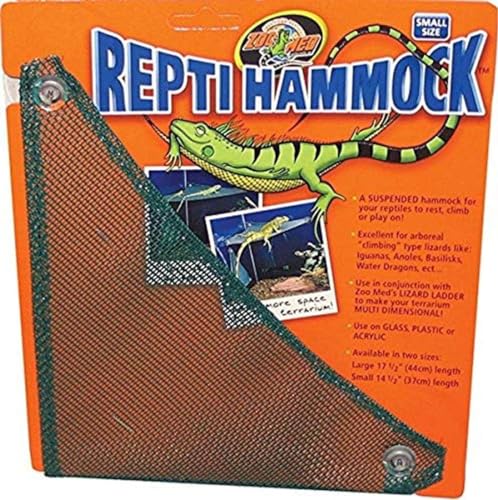
Zoo Med Repti Hammock
Mesh reptile hammock with suction cup attachment. Ideal basking spot for bearded dragons, geckos, and other climbing reptiles.
+ Easy to install
+ Durable mesh
- Suction cups can fail
- Mesh frays over time

Zilla
Zilla Reptile Terrarium Liner
Non-abrasive, absorbent terrarium liner that can't be ingested like loose substrates. Washable and reusable.
+ Safe - can't be ingested
+ Washable and reusable
- Gets dirty quickly
- Can smell over time

Digital Reptile
QZQ Reptile Thermometer and Humidity Gauge
Digital Reptile reptile accessories listed for comparison. We have not yet researched this product in depth — check the full specifications on the retailer's page.
