Zoo Med
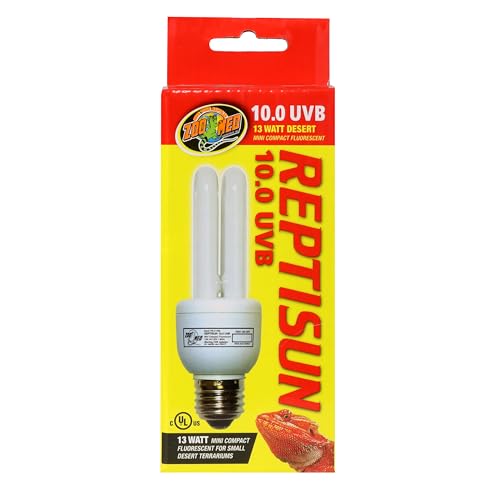
Zoo Med ReptiSun 10.0 UVB Fluorescent Lamp
10.0 UVB output for desert dwelling reptiles. UVB lets many reptiles make vitamin D3, which they need to use dietary calcium (Merck Veterinary Manual).
View on AmazonLast updated: 2026-03-30
How we researched this: we compared the manufacturer's specifications and label claims, published guidance and reported owner experience. We have not tested this product ourselves, and nothing here is veterinary advice. Editorial policy
Strengths
- UVB for species that need it
- 10.0 UVB output
- Trusted brand
- 6-month lifespan
Drawbacks
- Must replace every 6 months
- UVB degrades over time
- Needs fixture
Zoo Med ReptiSun 10.0 UVB Fluorescent Lamp: In-Depth Research
Editorial analysis by the FurReviews team, based on manufacturer specifications, published guidance and reported owner experience. We have not tested this product ourselves.
Why UVB is not optional
Most diurnal reptiles need ultraviolet B light to synthesise vitamin D3 in the skin, and D3 is what lets them absorb dietary calcium. Without it they cannot use the calcium they eat, however much you dust.
The result is metabolic bone disease: soft or deformed bones, a rubbery jaw, tremors, spinal kinks, fractures and eventually death. It is common in captive reptiles, it is almost entirely preventable, and it is frequently irreversible once established.
That is why UVB is a husbandry requirement rather than an accessory, and it is the single most consequential thing to get right for a bearded dragon, a uromastyx, a tortoise or a chameleon.
What the 10.0 number means
The number describes the proportion of the lamp's output in the UVB range. Higher means more UVB.
Too much UV is a real thing as well as too little — overexposure causes eye and skin damage. Matching the lamp class to the species and the distance is the whole job.
Distance is as important as the lamp
UV output falls off sharply with distance, and the correct lamp at the wrong height delivers effectively nothing or dangerously much.
The only way to actually know your numbers is a UV index meter. They are not cheap and they are the difference between guessing and knowing. Keeper communities often share them.
The replacement schedule people miss
A UVB tube that still emits visible light may have stopped producing useful UVB. Output degrades long before the lamp stops lighting up.
Replace on the manufacturer's schedule — typically somewhere between six and twelve months for a fluorescent tube depending on the type — and write the fitting date on the tube in marker. Relying on memory is how a dragon ends up under a dead lamp for a year.
This is the most common serious husbandry failure with UVB, and it is invisible without a meter or a calendar.
Linear tube versus compact bulb
Linear tubes distribute UV along a length of the enclosure, so the animal receives it while moving normally. Compact coil bulbs concentrate output into a small area, which historically caused eye problems in some animals and makes the gradient much harsher.
For a basking species, a linear tube running a good share of the enclosure length is the better arrangement.
UVB is not heat
A common and dangerous confusion. A fluorescent UVB tube produces very little heat, and a basking lamp produces heat and little useful UVB. A basking species needs both, mounted so the basking spot has the right surface temperature and the right UV index at the same place.
And as with any heat source: never run a heat lamp or mat without a thermostat, and measure the basking surface temperature with an infrared gun or a digital probe, not a stick-on dial on the glass.
Supplementation still matters
UVB lets an animal make D3; it does not supply calcium. Dusting insects with a calcium supplement on a schedule appropriate to the animal's age remains necessary, and D3-containing supplements should be used only as directed because oversupplementing D3 is itself harmful.
Ask a reptile vet or an established keeper community for a schedule for your species and its life stage — it changes as they grow.
Who should look elsewhere
For tropical and forest species, a 5.0-class lamp is the right choice. If your enclosure is large or deep, you may need a higher-output or mercury-vapour setup, which combines UV and heat and has its own distance rules. And if you keep a species whose UV needs you are unsure of, ask a reptile vet before buying any lamp.
Zoo Med ReptiSun 10.0 UVB Fluorescent Lamp: Common Questions
How often should I replace a UVB bulb?
On the manufacturer's schedule, typically between six and twelve months for a fluorescent tube. Output degrades long before the lamp stops emitting visible light, so a tube that still lights up may be producing no useful UVB. Write the fitting date on the tube in marker — this is the most common serious UVB failure.
Does mesh block UVB?
Yes, a meaningful share of it. A lamp mounted above a screen top has to be closer than one mounted inside the enclosure. A proper reflector also matters, because a plain fitting scatters most of the output rather than directing it at the basking spot.
What is the difference between 5.0 and 10.0 UVB?
The proportion of output in the UVB range. A 10.0-class lamp suits desert species with high requirements — bearded dragons, uromastyx, many tortoises. A 5.0 suits tropical and forest species. Too much UV causes eye and skin damage, so matching the class and the distance to the species is the whole job.
Is a UVB lamp also a heat lamp?
No, and confusing the two is dangerous. A fluorescent UVB tube produces very little heat, and a basking lamp produces heat and little useful UVB. A basking species needs both, arranged so the basking spot has the right surface temperature and the right UV index in the same place.
Do I still need calcium supplements with UVB?
Yes. UVB lets the animal synthesise vitamin D3, which is what allows calcium absorption — it does not supply the calcium. Dust insects on a schedule appropriate to the animal's age, and use D3-containing supplements only as directed, because oversupplementing D3 is itself harmful.
Where to Buy
As an Amazon Associate, FurReviews earns from qualifying purchases at no extra cost to you.
Similar Products You Might Like

Arcadia Reptile
T5 UVB Reptile Light 24W 10.0
Arcadia Reptile reptile lighting listed for comparison. We have not yet researched this product in depth — check the full specifications on the retailer's page.
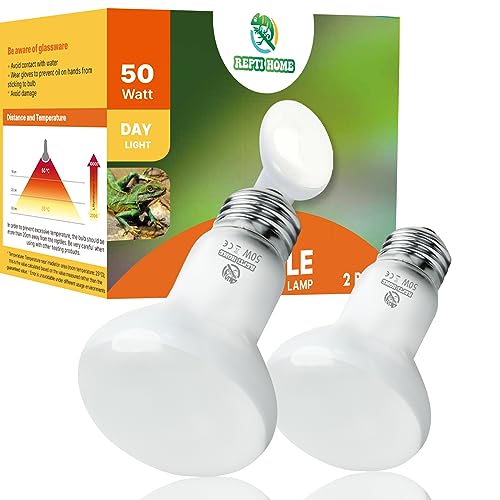
Mercury Vapor
Reptile Heat Lamp Bulbs
Mercury Vapor reptile lighting listed for comparison. We have not yet researched this product in depth — check the full specifications on the retailer's page.

Reptile Led
Hagen Exo Terra Mini Compact Incandescent Light Fixture for Exo Ter…
Reptile Led reptile lighting listed for comparison. We have not yet researched this product in depth — check the full specifications on the retailer's page.
