
Wahl
Wahl USA Clipper Pet Pro Dog Grooming Kit
Complete home grooming kit with heavy-duty clipper, guide combs, scissors, and carrying case. Low noise motor.
View on AmazonLast updated: 2026-03-20
How we researched this: we compared the manufacturer's specifications and label claims, published guidance and reported owner experience. We have not tested this product ourselves, and nothing here is veterinary advice. Editorial policy
Strengths
- Complete kit included
- Low noise motor
- Self-sharpening blades
- Great for beginners
Drawbacks
- Not for very thick coats
- Corded only
- Guide combs can slip
Wahl USA Clipper Pet Pro Dog Grooming Kit: In-Depth Research
Editorial analysis by the FurReviews team, based on manufacturer specifications, published guidance and reported owner experience. We have not tested this product ourselves.
Which coats you can clip, and which you must not
This is the most important section, because clipping the wrong coat causes permanent damage.
Clip freely: poodles, doodles, bichons, and other single-coated or continuously growing coats. These need regular clipping — they do not shed out and will mat without it.
Never shave a double coat. German Shepherds, Huskies, Malamutes, Golden Retrievers, Labradors, Corgis, Australian Shepherds and most northern and herding breeds have a topcoat and an insulating undercoat. That undercoat insulates against heat as well as cold, and it is what keeps the dog cool in summer. Shaving it:
The correct answer for a hot, shedding double-coated dog is deshedding, not clipping. A deshedding tool removes the loose undercoat and leaves the protective structure intact.
Hand-strip, do not clip, wire coats — many terriers and Schnauzers. Clipping ruins the harsh texture and dulls the colour.
The one legitimate exception is a veterinary one: a badly matted dog sometimes has to be shaved, because mats pull painfully on skin and hide sores. That is a groomer's or a vet's job with the right blades.
The clipping order that avoids most injuries
Blade heat is the injury nobody expects
A running clipper blade gets hot enough to burn skin, and it happens quietly — the dog may not react until a burn has already formed.
Blade care is most of the performance
Most "these clippers are useless" complaints are blunt or dirty blades rather than a weak motor.
Noise, and getting a dog used to it
Low-noise motors matter because clipper sound and vibration frighten many dogs, and a frightened dog is a dog that moves at the wrong moment.
Desensitise properly over days rather than minutes: let the dog hear the clipper running across the room with treats, then closer, then touch the dog with the clipper body switched off, then with it running against a shoulder. Only then start cutting.
Never restrain and force a frightened dog through a groom. You will get one bad experience that makes every future groom harder.
Nails, ears and the bits people forget
Who should look elsewhere
If your dog is double-coated, buy a deshedding tool rather than clippers. If your dog is wire-coated, learn hand-stripping or use a groomer. If your dog is badly matted, take it to a groomer rather than attempting it at home. And if your dog is frightened of the clippers, stop and desensitise before trying again.
Wahl USA Clipper Pet Pro Dog Grooming Kit: Common Questions
Can I shave my double-coated dog in summer?
No. A double coat insulates against heat as well as cold, and the undercoat is what does it. Shaving removes that protection, exposes skin to sunburn, and often grows back patchy or with a permanently altered texture. Deshedding is the correct answer for a hot, shedding double-coated dog.
Why do my clippers keep pulling my dog's hair?
Almost always a blunt, dirty or unoiled blade rather than a weak motor. Oil the blade every ten to fifteen minutes of use, brush hair out between sections, and treat blades as consumable — they dull and need sharpening or replacing. A pulling blade is what makes dogs hate being groomed.
How do I avoid cutting my dog?
Brush out completely first, because clippers drag on mats and pull skin. Keep the blade flat against the skin, never angled, since the corner is what cuts. Work slowly over armpits, groin, belly and tail where skin is thin and mobile, stretching it flat with your free hand.
The clipper blade gets hot. Is that a problem?
Yes, and it causes burns quietly — the dog may not react until the damage is done. Touch the blade to your own forearm regularly; if it is uncomfortable for you it is too hot for the dog. Use coolant spray, or alternate between two blades, and take breaks.
My dog is scared of the clippers. What should I do?
Desensitise over days, not minutes. Let the dog hear the clipper running across the room with treats, then closer, then touch it with the clipper off, then running against a shoulder — and only then start cutting. Forcing a frightened dog through one groom makes every future groom harder.
Where to Buy
As an Amazon Associate, FurReviews earns from qualifying purchases at no extra cost to you.
Similar Products You Might Like

FURminator
FURminator Undercoat Deshedding Tool for Dogs
The manufacturer claims up to 90% less shedding. Stainless steel deShedding edge reaches through topcoat to safely remove loose hair and undercoat.
+ Maker claims up to 90% less shedding
+ Stainless steel edge
- Expensive for a brush
- Can irritate skin if overused

Earthbath
Earthbath Oatmeal & Aloe Pet Shampoo
All-natural pet shampoo with colloidal oatmeal and organic aloe vera. Soap-free, pH balanced, and cruelty-free.
+ All natural ingredients
+ Marketed for sensitive skin
- Thin consistency
- Doesn't lather much
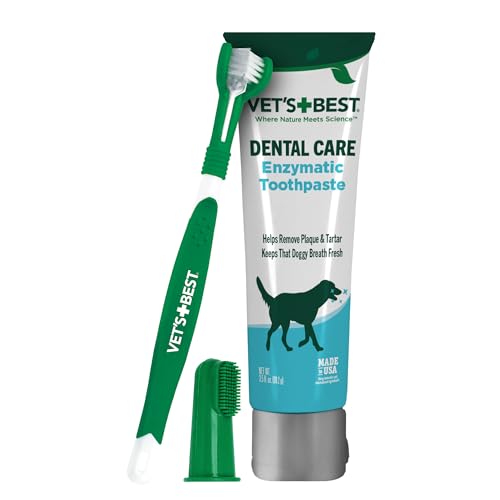
Vet's Best
Vet's Best Dental Care Gel Toothpaste
Enzymatic dental gel for dogs made with aloe, neem oil and baking soda, marketed as not needing brushing.
+ Marketed as no-brush
+ Natural ingredients (maker)
- Taste dogs dislike
- Limited effectiveness alone
