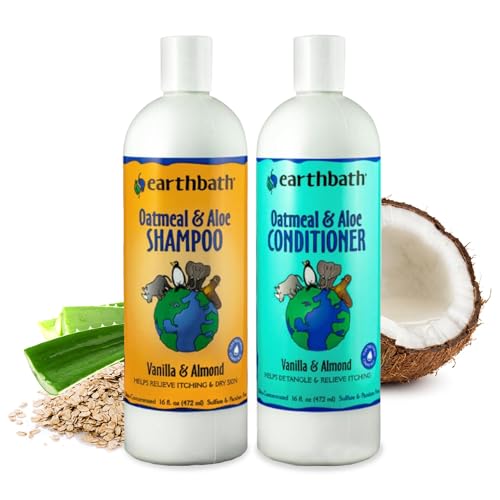
Earthbath
Earthbath Oatmeal & Aloe Pet Shampoo
All-natural pet shampoo with colloidal oatmeal and organic aloe vera. Soap-free, pH balanced, and cruelty-free.
View on AmazonLast updated: 2026-03-15
How we researched this: we compared the manufacturer's specifications and label claims, published guidance and reported owner experience. We have not tested this product ourselves, and nothing here is veterinary advice. Editorial policy
Strengths
- All natural ingredients
- Marketed for sensitive skin
- Vanilla almond scent
- Soap and cruelty free
Drawbacks
- Thin consistency
- Doesn't lather much
- Scent fades quickly
Earthbath Oatmeal & Aloe Pet Shampoo: In-Depth Research
Editorial analysis by the FurReviews team, based on manufacturer specifications, published guidance and reported owner experience. We have not tested this product ourselves.
Why "soap-free and pH balanced" is the part that matters
Dog skin is not human skin. The canine skin barrier is thinner, and canine skin sits at a different, generally more neutral to slightly alkaline pH than human skin, which is more acidic.
That is the reason human shampoo is a bad idea on dogs, including baby shampoo. It is formulated for a different pH and strips the skin's protective lipid layer, and a dog washed in it repeatedly gets dry, flaky, itchy skin — often the exact problem the owner was trying to fix.
A soap-free, pH-balanced dog shampoo cleans without stripping. That is a real formulation difference, not a marketing line.
What colloidal oatmeal actually does
Colloidal oatmeal is finely milled oat that stays suspended in water. It is one of the better-evidenced soothing ingredients in both human and veterinary dermatology — it forms a film on the skin, holds moisture, and has recognised anti-irritant properties.
It is symptomatic relief. It soothes itchy skin; it does not treat the cause of the itch. That distinction is the whole point of the next section.
Aloe similarly provides moisture and soothing, with less evidence behind it than oatmeal.
The important part: a shampoo does not fix an itchy dog
If your dog is persistently itchy, a soothing shampoo makes it more comfortable while you find the cause. It is not the answer.
Common causes of chronic itching in dogs, all of which need a vet:
Signs that mean a vet rather than another bath: hair loss, scabs, a yeasty smell, red or thickened skin, hot spots, ear problems alongside the itching, or itching that is stopping the dog sleeping.
Medicated shampoos exist for specific conditions — chlorhexidine, miconazole, benzoyl peroxide — and they are prescribed for a diagnosis, not chosen from a shelf.
How often to bathe a dog
More owners over-bathe than under-bathe. Frequent washing, even with a gentle shampoo, strips skin oils.
As a general guide, a healthy dog with a normal coat needs a bath every four to eight weeks, or when it is actually dirty. Some breeds need more, some far less. Working and outdoor dogs get dirty more often; a rinse with plain water handles a muddy walk without shampoo.
The exception is a dog on a vet-directed bathing schedule for a skin condition, where frequency is part of the treatment.
Getting more out of a thin, low-lather shampoo
The listed drawbacks — thin consistency and low lather — are a direct consequence of being soap-free. Lather is not cleaning; it is surfactant behaviour, and soap-free formulas produce less of it.
What actually improves the result:
Practical bathing notes
Lukewarm water, never hot. Protect the ears — water in the ear canal contributes to ear infections, and a cotton ball at the entrance helps. Keep shampoo out of the eyes even when it is labelled tearless. Dry thoroughly, especially in skin folds and between toes, because damp skin folds grow yeast.
Who should look elsewhere
If your dog has hair loss, scabs, a yeasty smell or persistent itching, you need a vet and possibly a medicated shampoo, not a soothing one. If your dog has fleas, treat the fleas and the house — no shampoo fixes an infestation. And never use human shampoo, including baby shampoo, as a substitute.
Earthbath Oatmeal & Aloe Pet Shampoo: Common Questions
How often should I bathe my dog?
Every four to eight weeks for a healthy dog with a normal coat, or when it is genuinely dirty. Over-bathing strips skin oils and causes the dry, itchy skin owners are often trying to fix. A rinse with plain water handles a muddy walk. The exception is a vet-directed bathing schedule for a skin condition.
Can I use human shampoo on my dog?
No, including baby shampoo. Canine skin is thinner and sits at a different pH than human skin, so human formulas strip the protective lipid layer and leave dogs dry and itchy. A soap-free, pH-balanced dog shampoo is a real formulation difference, not marketing.
Will an oatmeal shampoo stop my dog itching?
It will soothe the skin, and colloidal oatmeal is one of the better-evidenced soothing ingredients. It does not treat the cause. Persistent itching usually means fleas, environmental or food allergy, mites, or a secondary infection — all of which need a vet. Hair loss, scabs, a yeasty smell or itching that stops the dog sleeping means book an appointment.
It barely lathers. Is something wrong?
No — low lather is what soap-free formulas do, and lather is not cleaning. Soak the coat thoroughly first, dilute the shampoo in a jug of warm water before applying, work it down to the skin rather than over the coat, and rinse for longer than feels necessary.
How long should I leave it on?
Several minutes if you want the soothing effect, because contact time is what lets the oatmeal do anything. Then rinse very thoroughly — leftover shampoo residue is itself a cause of irritation, especially in a thick coat.
Where to Buy
As an Amazon Associate, FurReviews earns from qualifying purchases at no extra cost to you.
Similar Products You Might Like

FURminator
FURminator Undercoat Deshedding Tool for Dogs
The manufacturer claims up to 90% less shedding. Stainless steel deShedding edge reaches through topcoat to safely remove loose hair and undercoat.
+ Maker claims up to 90% less shedding
+ Stainless steel edge
- Expensive for a brush
- Can irritate skin if overused

Wahl
Wahl USA Clipper Pet Pro Dog Grooming Kit
Complete home grooming kit with heavy-duty clipper, guide combs, scissors, and carrying case. Low noise motor.
+ Complete kit included
+ Low noise motor
- Not for very thick coats
- Corded only
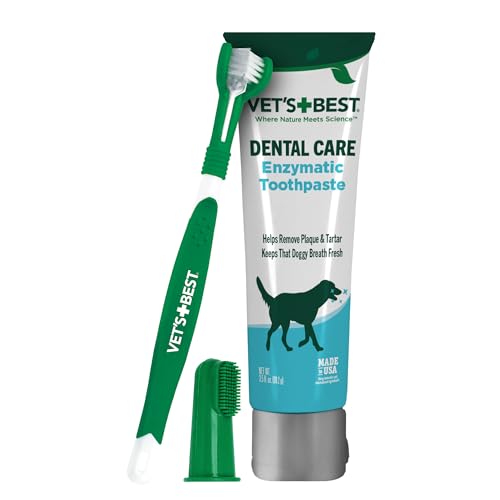
Vet's Best
Vet's Best Dental Care Gel Toothpaste
Enzymatic dental gel for dogs made with aloe, neem oil and baking soda, marketed as not needing brushing.
+ Marketed as no-brush
+ Natural ingredients (maker)
- Taste dogs dislike
- Limited effectiveness alone
