
FURminator
FURminator Undercoat Deshedding Tool for Dogs
The manufacturer claims up to 90% less shedding. Stainless steel deShedding edge reaches through topcoat to safely remove loose hair and undercoat.
View on AmazonLast updated: 2026-04-02
How we researched this: we compared the manufacturer's specifications and label claims, published guidance and reported owner experience. We have not tested this product ourselves, and nothing here is veterinary advice. Editorial policy
Strengths
- Maker claims up to 90% less shedding
- Stainless steel edge
- FURejector button
- Multiple sizes
Drawbacks
- Expensive for a brush
- Can irritate skin if overused
- Not for all coat types
FURminator Undercoat Deshedding Tool for Dogs: In-Depth Research
Editorial analysis by the FurReviews team, based on manufacturer specifications, published guidance and reported owner experience. We have not tested this product ourselves.
What a deshedding tool actually does
A deshedding tool is not a brush. It has a fine-toothed stainless steel blade that passes through the topcoat and pulls loose undercoat out from beneath it.
That distinction explains both why it works so well and every problem people have with it. A slicker brush teases out loose hair near the surface. This reaches the dense, wooly undercoat that double-coated dogs shed in volume — the hair that ends up in drifts on your floor.
If your dog does not have an undercoat, you do not need this tool and should not use it.
Which coats it suits, and which it damages
This is the most important section on the page, because used on the wrong coat this tool causes real damage.
Works well on: double-coated breeds with a dense undercoat — German Shepherds, Labradors, Huskies, Malamutes, Corgis, Golden Retrievers, Australian Shepherds, and most northern and herding breeds. These are the dogs that "blow coat" seasonally.
Do not use on:
If you are not sure which category your dog falls into, ask a groomer before the first use. That is a free question with a costly wrong answer.
The "reduces shedding up to 90%" claim
Read that as marketing shorthand for "removes a great deal of loose undercoat in one session", not as a measured, sustained reduction in how much your dog sheds. The dog still sheds. What changes is that the hair ends up in the tool rather than on your sofa, and only for as long as you keep using it.
That is still genuinely valuable — it is the difference between vacuuming daily and vacuuming weekly during a coat blow. It is just not the same as the number implies.
How to use it without hurting the dog
Over-use is the main way this tool causes harm. The hair keeps coming, so people keep going, and past a certain point you are working the blade against skin.
Weekly is plenty for most dogs. Two or three times a week during a seasonal coat blow. Daily use is too much for any dog.
Never shave a double coat
Worth saying because people reach for clippers when shedding gets bad. A double coat insulates against heat as well as cold, and the undercoat is what does it. Shaving it removes that insulation, exposes skin to sunburn, and in many dogs the coat grows back patchy or with a permanently altered texture.
Deshedding is the correct answer to a hot, shedding double-coated dog. Clipping is not.
Sizing and the eject button
Sizes are matched to the dog's size and coat length. Too wide a blade on a small dog is unwieldy and hard to keep flat against the skin; too narrow on a large dog makes the job take forever. Long-hair and short-hair versions differ in tooth length — the long-hair version is for coats where the blade needs to pass further through the topcoat.
The eject button clears the packed hair from the blade with a push. It is a small thing that makes the tool much more pleasant to use, and it is the main reason people prefer the branded versions to cheap copies.
Who should look elsewhere
If your dog is single-coated, curly or wire-coated, this is the wrong tool and will damage the coat — use a slicker, a comb, or hand-stripping as appropriate. If your dog is matted, deal with the mats first or see a groomer. And if you only need to remove surface hair and dirt after a walk, a rubber curry mitt is gentler and cheaper.
FURminator Undercoat Deshedding Tool for Dogs: Common Questions
Which dogs should not use a deshedding tool?
Single-coated breeds like Poodles, Maltese and Yorkshires, wire-coated breeds like many terriers and Schnauzers, and any curly or continuously growing coat — there is no undercoat to remove, so the blade cuts and thins the coat the dog needs. Never use one on a matted coat either.
How often should I use it?
Once a week for most double-coated dogs, two or three times a week during a seasonal coat blow. Ten to twenty minutes per session, then stop even if hair is still coming. Daily use is too much for any dog and is the main way this tool causes skin irritation.
Does it really reduce shedding by 90%?
Read that as shorthand for removing a lot of loose undercoat in one session, not a measured sustained reduction. The dog still sheds — the hair ends up in the tool rather than on your sofa, and only while you keep using it. That is genuinely useful, just not what the number implies.
Can I use it on a matted dog?
No. Dragging a deshedding blade into a mat pulls against the skin and hurts. Cut or tease mats out first with a comb and mat splitter, and take a badly matted dog to a groomer.
Should I shave my double-coated dog in summer instead?
No. A double coat insulates against heat as well as cold, and the undercoat is what does it. Shaving removes that insulation, exposes skin to sunburn, and often grows back patchy or with an altered texture. Deshedding is the correct answer; clipping is not.
Where to Buy
As an Amazon Associate, FurReviews earns from qualifying purchases at no extra cost to you.
Similar Products You Might Like

Wahl
Wahl USA Clipper Pet Pro Dog Grooming Kit
Complete home grooming kit with heavy-duty clipper, guide combs, scissors, and carrying case. Low noise motor.
+ Complete kit included
+ Low noise motor
- Not for very thick coats
- Corded only
Earthbath
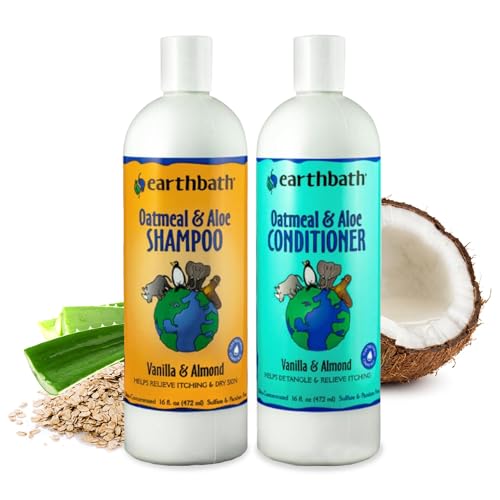
Earthbath Oatmeal & Aloe Pet Shampoo
All-natural pet shampoo with colloidal oatmeal and organic aloe vera. Soap-free, pH balanced, and cruelty-free.
+ All natural ingredients
+ Marketed for sensitive skin
- Thin consistency
- Doesn't lather much
Vet's Best
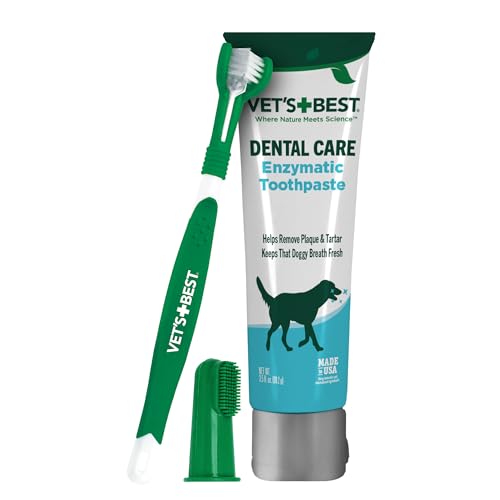
Vet's Best Dental Care Gel Toothpaste
Enzymatic dental gel for dogs made with aloe, neem oil and baking soda, marketed as not needing brushing.
+ Marketed as no-brush
+ Natural ingredients (maker)
- Taste dogs dislike
- Limited effectiveness alone
