
Kaytee
Kaytee Clean & Cozy White Small Animal Bedding
Paper bedding the manufacturer describes as 99.9% dust-free, absorbing 6x its weight, with up to 14 days of odour control.
View on AmazonLast updated: 2026-04-10
How we researched this: we compared the manufacturer's specifications and label claims, published guidance and reported owner experience. We have not tested this product ourselves, and nothing here is veterinary advice. Editorial policy
Strengths
- Marketed 99.9% dust-free
- Maker claims 6x absorption
- Maker claims 14-day odour control
- Soft and fluffy
Drawbacks
- Expands a lot
- Can be messy
- White shows stains
Kaytee Clean & Cozy White Small Animal Bedding: In-Depth Research
Editorial analysis by the FurReviews team, based on manufacturer specifications, published guidance and reported owner experience. We have not tested this product ourselves.
Why bedding choice is a respiratory decision
Small pets live with their faces in their bedding, and rabbits, guinea pigs, hamsters, gerbils and rats all have sensitive airways. Two things damage them: dust, and ammonia from urine breaking down.
That is why the old advice that any wood shavings will do is out of date. Untreated pine and especially cedar shavings release aromatic oils that are implicated in respiratory irritation and liver enzyme changes in small mammals. Kiln-dried pine has most of the volatiles driven off and is widely used safely; cedar is the one to avoid outright.
Absorption is what actually controls odour
Absorbency and odour control are the same feature described twice. Urine sitting on a non-absorbent surface off-gasses ammonia, and ammonia is both the smell you notice at the door and the irritant that damages your animal's airways.
A bedding that pulls liquid down and away from the surface keeps the animal out of contact with it and slows the ammonia. That is the mechanism, and depth matters as much as brand.
The odour-control claim assumes daily spot-cleaning. No bedding controls odour in a cage that is not spot-cleaned.
"Expands a lot" is the thing to plan for
This bedding is compressed in the bag and expands substantially when you open and fluff it. People consistently underestimate this, and two consequences follow:
Depth — the thing most people get wrong
A thin scatter of bedding looks tidy and fails at everything bedding is for.
| Animal | Sensible depth |
|---|---|
| Syrian hamster | 15–25 cm / 6–10 inches. They burrow — this is welfare, not luxury |
| Dwarf hamster | 15 cm / 6 inches minimum |
| Gerbil | As deep as the cage allows; gerbils tunnel constantly |
| Guinea pig | 5–8 cm / 2–3 inches, with hay on top |
| Rat | 5 cm / 2 inches, plus nesting material |
Soft, fluffy paper bedding holds a burrow less well than deep kiln-dried shavings. If you keep a serious burrower, mixing paper with kiln-dried shavings or adding hay gives the tunnels structure so they do not collapse.
The white colour: useful, not just cosmetic
White shows stains, and that is listed as a drawback. It is genuinely an advantage.
Urine colour is a meaningful early health signal in small pets. Rabbits and guinea pigs pass urine that varies from pale yellow to orange or red-brown depending on diet and pigment, and true blood in urine is a different thing — but you can only assess any of it against a surface that shows colour. Cloudy, gritty or chalky urine in a rabbit or guinea pig is worth a vet visit, and white bedding is where you will notice it.
Being able to see where an animal is toileting also tells you when a litter habit changes, which is often the first sign something is wrong.
Spot-clean, do not strip
The most useful hygiene habit is daily spot-cleaning of the wet corner, plus partial rather than total changes.
Stripping a cage completely removes every scent marker the animal has laid down. Hamsters and gerbils respond by scent-marking frantically and can become stressed and defensive. When you do a full change, keep a handful of clean used bedding and the intact nest, and the animal resettles much faster.
Guinea pigs and rabbits need more frequent full changes than hamsters, simply because of volume.
The mess, and how to contain it
Light paper bedding travels — wheels fling it and hamsters kick it. That is a property of light bedding rather than a fault of this one.
The fix is the enclosure: a deep base tray, a bin cage, or an acrylic guard around the lower bars. A cage with a shallow base will always leave a halo of bedding on your floor whatever you put in it.
What it does not replace
Bedding is not hay. Rabbits and guinea pigs need unlimited grass hay as the bulk of their diet, provided separately from whatever they are sitting on. Guinea pigs additionally need a daily source of vitamin C, which they cannot make themselves.
Who should look elsewhere
If you keep a heavy burrower and want tunnels that hold their shape, mix in kiln-dried shavings or use a shavings-based substrate. If cost is the binding constraint on bedding depth, kiln-dried pine gives you more volume for the money and depth matters more than material. And if you or your animal have respiratory sensitivity, this is the category to stay in — just never cedar.
Kaytee Clean & Cozy White Small Animal Bedding: Common Questions
How deep should small pet bedding be?
Deeper than most people use. A Syrian hamster wants 15–25 cm so it can burrow, a gerbil as deep as the cage allows, a guinea pig 5–8 cm with hay on top. Shallow bedding fails at absorption and denies burrowing animals a natural behaviour they need.
Is paper bedding better than wood shavings?
It is safer than cedar, which releases aromatic oils linked to respiratory irritation, and it is far lower in dust than most shavings. Kiln-dried pine has its volatiles driven off and is widely used safely. Paper's advantages are very low dust and high absorption; its downsides are cost and that it holds burrow tunnels less well.
Why does it expand so much?
It is compressed in the bag and fluffs up substantially once opened. Open and fluff it over a large container or a bin liner rather than over the cage. It also means a bag goes further than it looks — judge value by expanded litres, not bag size.
Is white bedding a bad idea because it stains?
The opposite. Urine colour and toileting habits are early health signals in small pets, and you can only see them against a surface that shows colour. Cloudy, gritty or chalky urine in a rabbit or guinea pig is worth a vet visit — white bedding is where you will notice it first.
How often should I change it?
Spot-clean the wet corner daily and do a partial change weekly, with full strip-downs less often. Always keep a handful of clean used bedding and the intact nest when you do a full change — removing every scent marker stresses hamsters and gerbils and makes them defensive.
Where to Buy
As an Amazon Associate, FurReviews earns from qualifying purchases at no extra cost to you.
Similar Products You Might Like

Carefresh
Carefresh Small Animal Bedding, 60L
Natural paper bedding that absorbs 3x its weight in liquid. 99% dust-free, odor control up to 10 days.
+ 3x absorption
+ 99% dust free
- Gets kicked out of cage
- Can get damp quickly

Aspen Shavings
hamster wood shaving bedding
Aspen Shavings small pet bedding listed for comparison. We have not yet researched this product in depth — check the full specifications on the retailer's page.
Fleece Cage
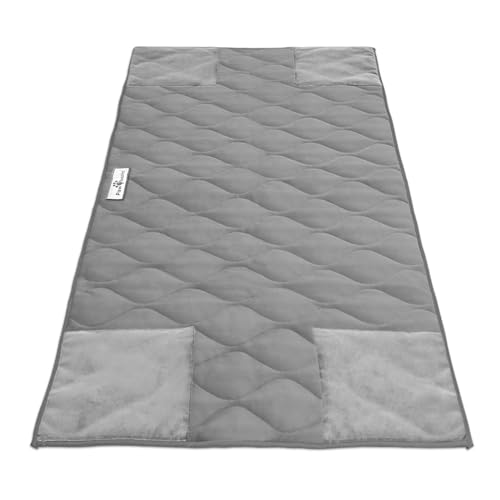
Paw Inspired PopCorner Guinea Pig Cage Liners
Fleece Cage small pet bedding listed for comparison. We have not yet researched this product in depth — check the full specifications on the retailer's page.
