
Carefresh
Carefresh Small Animal Bedding, 60L
Natural paper bedding that absorbs 3x its weight in liquid. 99% dust-free, odor control up to 10 days.
View on AmazonLast updated: 2026-04-01
How we researched this: we compared the manufacturer's specifications and label claims, published guidance and reported owner experience. We have not tested this product ourselves, and nothing here is veterinary advice. Editorial policy
Strengths
- 3x absorption
- 99% dust free
- 10-day odor control
- Biodegradable
Drawbacks
- Gets kicked out of cage
- Can get damp quickly
- Some colors may stain
Carefresh Small Animal Bedding, 60L: In-Depth Research
Editorial analysis by the FurReviews team, based on manufacturer specifications, published guidance and reported owner experience. We have not tested this product ourselves.
Why bedding choice is a respiratory decision
Small pets live with their faces in their bedding. Rabbits, guinea pigs, hamsters, gerbils and rats all have sensitive respiratory tracts, and the two things that damage them are dust and volatile compounds.
That is the reason the fishkeeping-style advice about "any wood shavings will do" is out of date. Untreated pine and cedar shavings release aromatic oils — cedar most strongly — which are implicated in respiratory irritation and liver enzyme changes in small mammals. Kiln-dried pine has most of the volatiles driven off and is widely used safely; cedar is the one to avoid outright.
Paper bedding sidesteps the question entirely. Carefresh is reclaimed paper fibre, and its selling point is that it has no aromatic oils to release and very little dust to inhale.
Absorption is the number that matters
Carefresh publishes roughly three times its weight in liquid absorbed, and absorption is what actually drives cage hygiene. Ammonia is the enemy in a small-pet cage: urine sitting on a non-absorbent surface off-gasses ammonia, and ammonia is both the smell you notice and the irritant that damages your animal's airways.
A bedding that pulls liquid down and away from the surface keeps the animal out of contact with it and slows the ammonia. That is the mechanism behind the odour-control claim, and it is why depth matters as much as brand.
Depth: the thing people get wrong
Most people use too little bedding. A thin scatter looks tidy and fails at everything bedding is for.
| Animal | Sensible depth |
|---|---|
| Syrian hamster | 15–25 cm / 6–10 inches, deeper is better — they burrow |
| Dwarf hamster | 15 cm / 6 inches minimum |
| Gerbil | As deep as the cage allows; gerbils tunnel constantly |
| Guinea pig | 5–8 cm / 2–3 inches, with hay on top |
| Rat | 5 cm / 2 inches, plus nesting material |
Hamsters and gerbils in particular are burrowing animals, and a shallow layer denies them a natural behaviour that matters for their welfare. If you are buying a 60-litre bag, that is not excessive — it is roughly what a properly bedded hamster enclosure uses.
Paper bedding does not hold a burrow as well as a deep layer of kiln-dried shavings or a shavings/paper mix. If you keep a heavy burrower, mixing paper with kiln-dried shavings or adding hay gives the tunnels structure.
The "kicked out of the cage" problem
Light paper bedding travels. Wheels fling it, hamsters kick it, and a wire cage with a shallow base leaves a halo of bedding on your floor.
The fix is the cage, not the bedding: a deep base tray, a bin cage, or an acrylic guard around the lower bars. Any light bedding does this, so it is not a reason to switch brands.
Spot-clean, do not strip
The single best hygiene practice for small pets is daily spot-cleaning of the wet corner and a partial rather than total change.
Stripping a cage completely removes every familiar scent marker. Hamsters and gerbils respond by scent-marking frantically and, in some cases, by becoming stressed and defensive. Keep a handful of clean used bedding and the nest when you do a full change, and the animal settles again much faster.
A guinea pig or rabbit needs more frequent full changes than a hamster, simply because of output volume.
Colour and staining
Coloured versions are dyed, and the dye can transfer to light-coloured fur, particularly when damp. It washes out and is not harmful, but if you keep a white long-haired animal and want to see health changes in their coat, the plain natural version is the sensible choice. Being able to see the colour of urine on plain bedding is genuinely useful — urine changes are an early sign of problems in guinea pigs and rabbits.
What it does not replace
Bedding is not hay. Guinea pigs and rabbits need unlimited grass hay as the bulk of their diet, and the hay they eat is separate from the bedding they sit on. Feeding bedding-grade material or letting hay serve as the only substrate are both common and both wrong.
Carefresh Small Animal Bedding, 60L: Common Questions
Is paper bedding better than wood shavings?
It is safer than cedar, which releases aromatic oils linked to respiratory irritation in small mammals, and it is lower dust than most shavings. Kiln-dried pine has its volatiles driven off and is widely used safely. Paper's real advantages are very low dust and high absorption; its disadvantages are cost and that it holds burrow tunnels less well.
How deep should the bedding be?
Deeper than most people use. A Syrian hamster wants 15–25 cm so it can burrow, a gerbil as deep as the cage allows, a guinea pig 5–8 cm with hay on top. Shallow bedding fails at absorption and denies burrowing animals a natural behaviour.
How often should I change it completely?
Spot-clean the wet corner daily and do a partial change weekly. Full strip-downs less often, and always keep a handful of clean used bedding and the nest so the animal's scent markers survive — a completely sterile cage stresses hamsters and gerbils.
Will the coloured bedding stain my pet's fur?
It can transfer to light-coloured fur when damp. It is not harmful and washes out, but the plain natural version is the better choice for white or long-haired animals, and it also lets you see urine colour changes, which are an early health signal.
Can guinea pigs and rabbits eat it?
They will nibble bedding, and paper bedding is not toxic, but it is not food. Guinea pigs and rabbits need unlimited grass hay as the bulk of their diet, provided separately from whatever they are sitting on.
Where to Buy
As an Amazon Associate, FurReviews earns from qualifying purchases at no extra cost to you.
Similar Products You Might Like

Kaytee
Kaytee Clean & Cozy White Small Animal Bedding
Paper bedding the manufacturer describes as 99.9% dust-free, absorbing 6x its weight, with up to 14 days of odour control.
+ Marketed 99.9% dust-free
+ Maker claims 6x absorption
- Expands a lot
- Can be messy

Aspen Shavings
hamster wood shaving bedding
Aspen Shavings small pet bedding listed for comparison. We have not yet researched this product in depth — check the full specifications on the retailer's page.
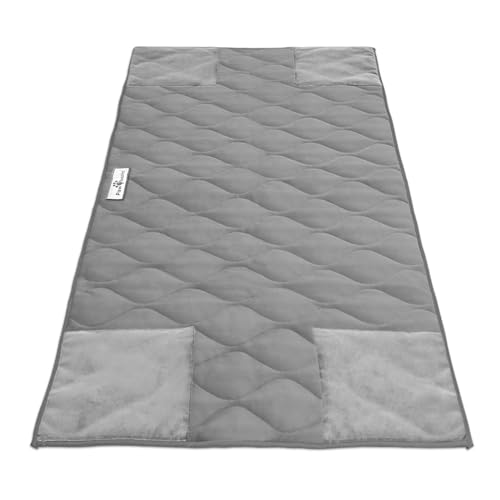
Fleece Cage
Paw Inspired PopCorner Guinea Pig Cage Liners
Fleece Cage small pet bedding listed for comparison. We have not yet researched this product in depth — check the full specifications on the retailer's page.
