Embark
Embark Breed & Health DNA Test Kit
A dog DNA test that, according to Embark, covers 350+ breeds and 230+ genetic health conditions on its health tier, and traces ancestry back to great-grandparents.
View on AmazonLast updated: 2026-04-10
How we researched this: we compared the manufacturer's specifications and label claims, published guidance and reported owner experience. We have not tested this product ourselves, and nothing here is veterinary advice. Editorial policy
Strengths
- 350+ breed detection
- 230+ health tests
- Relative finder feature
- Health tier available
Drawbacks
- Expensive
- Takes 3-5 weeks
- Requires good sample
Embark Breed & Health DNA Test Kit: In-Depth Research
Editorial analysis by the FurReviews team, based on manufacturer specifications, published guidance and reported owner experience. We have not tested this product ourselves.
What a dog DNA test can and cannot tell you
Two separate things come back, and they have very different levels of certainty.
Breed composition is the reliable part for common breeds. The test compares your dog's genome against a reference panel of known breeds. The bigger and better-curated that panel, the better the result — and a panel covering hundreds of breeds and varieties is the main reason to choose a comprehensive test over a cheap one.
Health screening is where it gets more complicated, and where the honest caveats live.
Health results are a screen, not a diagnosis
This is the section to read twice.
A health panel tests for specific known genetic variants. That means:
The right response to any significant health result is to take it to your vet, who can interpret it against your actual dog. Do not change medication, diet or exercise on the basis of a DNA result alone.
The one result worth acting on promptly is the MDR1 variant, which affects how some dogs process certain common drugs. If your dog carries it, tell your vet and make sure it is on the clinical record — this is genuinely useful information that changes prescribing.
Where breed results get shakier
Mixed-breed results for dogs with several generations of mixing become less precise, and small percentages in a result are the least reliable part. A result reading a few per cent of an unexpected breed is closer to statistical noise than to a discovered ancestor.
Village dogs and landrace populations from outside the main kennel-club breeds often come back as broad regional categories rather than named breeds, because there is no tidy reference group to match against.
Different companies use different reference panels, so two tests on the same dog can genuinely disagree. Neither is lying; they are comparing against different libraries.
What the results are actually good for
What it is not good for is deciding whether to keep a dog. A DNA test result should never be the reason an animal's future changes.
Taking the sample properly
The most common cause of a failed sample is doing it too soon after food or water.
Turnaround takes weeks, not days, because the lab is running an actual genotyping array.
Privacy
You are sending a genome to a company. Read what they do with it: whether data is shared with research partners, whether it can be deleted on request, and what happens if the company is sold. These are reasonable questions and the answers vary.
Who should look elsewhere
If you only want an approximate breed mix for interest, a cheaper breed-only test answers that for much less. If you need a specific health condition diagnosed, that is a veterinary test on a clinical sample, not a consumer kit. And if you are breeding, work with your breed club's recommended screening scheme as well as a DNA panel.
Embark Breed & Health DNA Test Kit: Common Questions
How accurate are dog DNA tests?
Breed composition is reliable for common breeds and gets less precise for heavily mixed dogs, where small percentages are closer to noise than to real ancestry. Different companies use different reference panels, so two tests on the same dog can genuinely disagree — they are comparing against different libraries.
Should I act on the health results?
Take them to your vet rather than acting alone. A clear result means the tested variants were not found, not that the dog is healthy. A positive result is often a risk factor rather than a certainty. The one result worth flagging promptly is MDR1, which changes how some common drugs should be prescribed.
Can it predict how big my puppy will get?
Yes, and this is one of the more useful outputs. A genetics-based adult weight prediction is more reliable than growth formulas or paw size for a puppy of unknown parentage, and it means buying a crate and a harness once instead of three times.
My dog's results look wrong. What happened?
Most often a sample problem. Swab at least half an hour after food or water, swab firmly for the full stated time, and separate dogs in a multi-dog house first — cross-contamination from a shared bowl or a face-lick is a real cause of odd results.
What does carrier status mean?
That the dog carries one copy of a recessive variant. It is generally unaffected itself. Carrier status matters if you breed the dog, because two carriers can produce an affected puppy, and usually does not change anything for a pet.
Where to Buy
As an Amazon Associate, FurReviews earns from qualifying purchases at no extra cost to you.
Similar Products You Might Like

Greenies
Greenies Original Dental Dog Treats
Dental treats listed by the Veterinary Oral Health Council (VOHC) — check vohc.org for the current accepted claim. Made with natural ingredients, according to the manufacturer.
+ VOHC-listed
+ Sized by dog weight
- High calorie per treat
- Can cause digestive issues
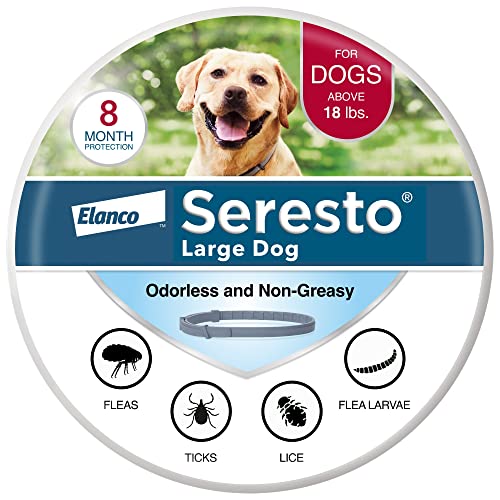
Seresto
Seresto Flea and Tick Collar for Dogs
The manufacturer states 8 months of flea and tick protection from a sustained-release collar. It is odourless and non-greasy in use.
+ 8 months protection
+ Odorless and non-greasy
- Expensive upfront cost
- Rare allergic reactions

Frontline
Frontline Plus Flea and Tick Treatment for Dogs
Monthly topical flea and tick prevention, labelled to kill fleas, ticks and chewing lice. Waterproof after 24 hours.
+ Long-established brand
+ Label covers eggs and larvae too
- Monthly application needed
- Can cause skin irritation