Zesty Paws
Zesty Paws 8-in-1 Multivitamin Bites
Soft chew multivitamin with glucosamine, chondroitin, CoQ10, and vitamins, marketed for skin, coat, gut, heart and immune support.
View on AmazonLast updated: 2026-04-10
How we researched this: we compared the manufacturer's specifications and label claims, published guidance and reported owner experience. We have not tested this product ourselves, and nothing here is veterinary advice. Editorial policy
Strengths
- 8-in-1 formula
- Soft chew format
- All-in-one supplement
- Chicken flavour
Drawbacks
- Large chews
- Pricey for daily use
- Some dogs refuse them
Zesty Paws 8-in-1 Multivitamin Bites: In-Depth Research
Editorial analysis by the FurReviews team, based on manufacturer specifications, published guidance and reported owner experience. We have not tested this product ourselves.
The question to ask before buying any multivitamin
Does your dog need one?
A dog eating a complete, AAFCO-compliant commercial food is already receiving a diet formulated to meet its nutrient requirements. Adding a broad-spectrum multivitamin on top of that is, for most healthy dogs on complete food, adding nutrients to a diet that already contains them.
That is not neutral. Fat-soluble vitamins — A, D, E and K — accumulate rather than being excreted, and excess vitamin D in particular is genuinely harmful. Several pet food recalls over the years have involved excess vitamin D. Excess calcium in a growing large-breed puppy is associated with developmental joint problems.
So "it can't hurt" is not accurate for this category. It can.
The dogs for whom a supplement makes sense: those on home-cooked diets that have not been formulated by a veterinary nutritionist, those with a diagnosed deficiency, and those a vet has specifically recommended one for.
Why combination products are a difficult format
An 8-in-1 chew delivers a fixed ratio of everything it contains. If your dog would benefit from one of those ingredients, you have to take all of them, at whatever dose the manufacturer chose.
That is the opposite of how a targeted intervention works. If your dog has arthritis, a dosed joint product gives you a meaningful amount of glucosamine and chondroitin. A multivitamin that includes them alongside seven other things generally contains far less than a joint-specific dose, which means the ingredient you actually wanted is present at a level unlikely to do much.
Combination products are convenient. Targeted ones are effective. Those are different goals.
The evidence, ingredient by ingredient
None of that says these ingredients do nothing. It says the combination format dilutes them and the evidence is softer than the packaging implies.
Supplements are not regulated like medicines
In most jurisdictions, animal supplements are regulated as supplements rather than licensed veterinary medicines. They do not go through a drug approval process, and independent testing has repeatedly found products whose actual content differs from the label.
That makes manufacturer quality matter more here than in a regulated category. Look for third-party testing, a published certificate of analysis, and NASC (National Animal Supplement Council) membership, which involves auditing. And buy from a legitimate retailer rather than a marketplace where counterfeits circulate.
Calories, and the soft chew format
Soft chews are palatable because they are made from things dogs like, which means calories. One or two a day is a small but real addition, and it should come out of the day's food rather than being added on top.
Palatability is also why these are easy to give and why dogs sometimes get into the tub. Store it somewhere the dog cannot reach — a whole tub of anything is a problem, and some supplements contain ingredients that are harmful in quantity.
Tell your vet what your dog is taking
This genuinely matters and owners routinely skip it.
Who should look elsewhere
If you want a joint effect, buy a dosed joint product rather than a multivitamin. If you want the omega-3 benefit, buy a fish oil dosed for your dog's weight. If your dog is on a complete commercial food and is well, the honest answer is that it probably needs none of this. And talk to your vet before starting any supplement, especially for a growing puppy or a dog on medication.
Zesty Paws 8-in-1 Multivitamin Bites: Common Questions
Does my dog need a multivitamin?
Usually not, if it eats a complete AAFCO-compliant commercial food — that diet is already formulated to meet nutrient requirements. Supplements make sense for dogs on unformulated home-cooked diets, dogs with a diagnosed deficiency, and dogs a vet has specifically recommended one for.
Can too many vitamins harm a dog?
Yes. Fat-soluble vitamins A, D, E and K accumulate rather than being excreted, and excess vitamin D in particular is genuinely harmful — several pet food recalls have involved it. Excess calcium in a growing large-breed puppy is associated with developmental joint problems. 'It can't hurt' is not accurate here.
Are combination supplements as good as targeted ones?
They are more convenient and generally less effective. An 8-in-1 chew delivers a fixed ratio of everything, usually at levels well below a targeted dose — so if you want a joint effect, a dosed joint product gives you far more of the ingredient you actually wanted.
Are pet supplements regulated?
Not like medicines. In most jurisdictions they are regulated as supplements, without a drug approval process, and independent testing has found products whose content differs from the label. Look for third-party testing, a published certificate of analysis and NASC membership, and buy from a legitimate retailer.
Should I tell my vet about supplements?
Always, and especially before surgery. Chondroitin is structurally related to heparin and there has been discussion of theoretical clotting effects, some ingredients interact with medications, and fat-soluble vitamins accumulate across every source. Never substitute a human product — they can contain xylitol, which is toxic to dogs.
Where to Buy
As an Amazon Associate, FurReviews earns from qualifying purchases at no extra cost to you.
Similar Products You Might Like

Greenies
Greenies Original Dental Dog Treats
Dental treats listed by the Veterinary Oral Health Council (VOHC) — check vohc.org for the current accepted claim. Made with natural ingredients, according to the manufacturer.
+ VOHC-listed
+ Sized by dog weight
- High calorie per treat
- Can cause digestive issues
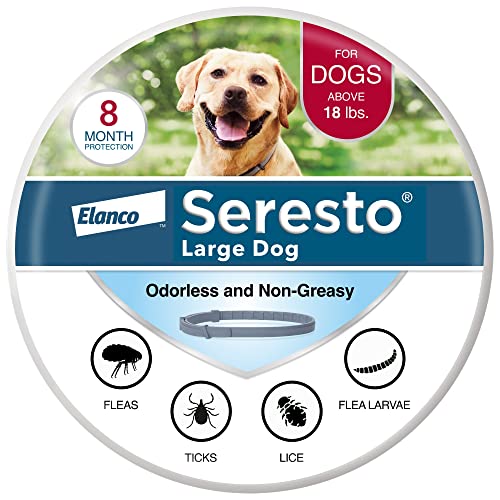
Seresto
Seresto Flea and Tick Collar for Dogs
The manufacturer states 8 months of flea and tick protection from a sustained-release collar. It is odourless and non-greasy in use.
+ 8 months protection
+ Odorless and non-greasy
- Expensive upfront cost
- Rare allergic reactions

Frontline
Frontline Plus Flea and Tick Treatment for Dogs
Monthly topical flea and tick prevention, labelled to kill fleas, ticks and chewing lice. Waterproof after 24 hours.
+ Long-established brand
+ Label covers eggs and larvae too
- Monthly application needed
- Can cause skin irritation