
Nutramax
Cosequin Maximum Strength Joint Supplement
A glucosamine and chondroitin joint supplement for dogs, in a chewable tablet.
View on AmazonLast updated: 2026-04-03
How we researched this: we compared the manufacturer's specifications and label claims, published guidance and reported owner experience. We have not tested this product ourselves, and nothing here is veterinary advice. Editorial policy
Strengths
- Widely stocked by vets and pet shops
- Manufacturer cites clinical testing
- Chewable tablet
- Made in the USA
Drawbacks
- Evidence for glucosamine is mixed
- Daily dosing required
- Expensive long term
Cosequin Maximum Strength Joint Supplement: In-Depth Research
Editorial analysis by the FurReviews team, based on manufacturer specifications, published guidance and reported owner experience. We have not tested this product ourselves.
What is in it and what the ingredients are supposed to do
Comparing it with Dasuquin, which adds avocado/soybean unsaponifiables? See our Cosequin vs Dasuquin comparison, which also covers the cat versions and side effects.
Cosequin Maximum Strength is a glucosamine hydrochloride and sodium chondroitin sulfate supplement, usually with manganese and, in some versions, MSM.
The theory is that glucosamine and chondroitin are building blocks of cartilage and joint fluid, and that supplementing them supports cartilage health in joints under wear. It is a plausible mechanism and it is the basis of a large market in both human and veterinary supplements.
What the evidence actually shows
This is where we are going to be straight rather than enthusiastic.
Studies of oral glucosamine and chondroitin in dogs have produced mixed results. Some report modest improvements in comfort and mobility scores; others find little separation from placebo. Systematic reviews of joint supplements in dogs have generally concluded that the evidence is weak and inconsistent, and that study quality is often limited. The picture in human medicine is similarly unsettled.
At the same time, these products have a good safety record, side effects are uncommon and usually mild, and vets frequently suggest them as a low-risk component of managing arthritis.
So the honest summary is: plausible, low risk, possibly helpful for some dogs, not proven. Anyone telling you it definitely works, or that it definitely does nothing, is going beyond the evidence.
Supplements are not regulated like medicines
This is worth knowing whatever brand you buy. In most jurisdictions, animal joint supplements are regulated as supplements rather than as licensed veterinary medicines. That means they do not go through the approval process a drug does, and independent testing has repeatedly found products whose actual content differs from the label.
The practical consequence is that manufacturer reputation and quality control genuinely matter more here than in a regulated category. Buying from a company that publishes its testing, and buying from a legitimate retailer rather than a marketplace where counterfeits circulate, are both reasonable precautions.
The four to six week thing is real
If you try it, commit to a proper trial. Cartilage-targeted supplements are not analgesics and nothing happens on day one. Four to six weeks at the loading dose is the usual guidance before judging.
Decide in advance how you will judge it, and write it down before you start:
Those specific, written-down measures are worth far more than your memory after six weeks, because you will unconsciously want it to have worked.
What does more than any supplement
If your dog has arthritis, the interventions with the strongest evidence are not in a tub:
A supplement sits alongside those. It does not replace any of them.
Safety notes
This page describes what the product is. It is not veterinary advice and does not replace a diagnosis.
Who should look elsewhere
If your dog is visibly in pain, a supplement is not the first call — a vet is, because effective pain relief exists. If your dog is overweight, the weight is the intervention with the best evidence. And if six weeks of a proper trial changes nothing on your written measures, stop, and put the money toward a veterinary pain plan or a hydrotherapy course.
Cosequin Maximum Strength Joint Supplement: Common Questions
Does glucosamine actually work for dogs?
The evidence is mixed. Some studies report modest improvements in comfort and mobility, others find little separation from placebo, and systematic reviews generally conclude the evidence is weak and inconsistent. Safety is good, which is why vets often suggest it as a low-risk part of a plan — but it is not proven.
How long before I see a difference?
Four to six weeks at the loading dose is the usual guidance, because this is not a painkiller. Write down specific measures before you start — stairs managed, walk length before slowing, stiffness after rest — because your memory after six weeks will not be reliable.
What helps arthritis more than a supplement?
Keeping the dog lean, which has the strongest evidence of anything you can do. Then regular moderate low-impact exercise rather than the weekend-warrior pattern, veterinary pain management, and a non-slip, ramped, well-bedded environment. A supplement sits alongside those rather than replacing them.
Can I give my dog a human glucosamine supplement?
Not without checking. Human formulations can contain xylitol, which is toxic to dogs, and doses are formulated for human body weight. Use a product formulated for dogs and dosed by your dog's weight.
Are joint supplements regulated?
Not like medicines. In most jurisdictions they are regulated as supplements, so they do not go through a drug approval process, and independent testing has found products whose content differs from the label. That makes manufacturer reputation and buying from a legitimate retailer matter more than in a regulated category.
Where to Buy
As an Amazon Associate, FurReviews earns from qualifying purchases at no extra cost to you.
Similar Products You Might Like

Greenies
Greenies Original Dental Dog Treats
Dental treats listed by the Veterinary Oral Health Council (VOHC) — check vohc.org for the current accepted claim. Made with natural ingredients, according to the manufacturer.
+ VOHC-listed
+ Sized by dog weight
- High calorie per treat
- Can cause digestive issues
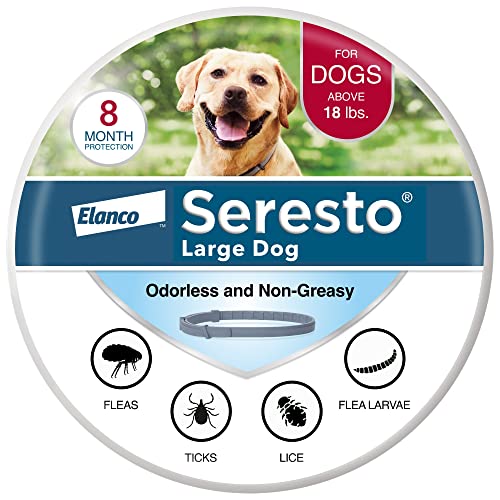
Seresto
Seresto Flea and Tick Collar for Dogs
The manufacturer states 8 months of flea and tick protection from a sustained-release collar. It is odourless and non-greasy in use.
+ 8 months protection
+ Odorless and non-greasy
- Expensive upfront cost
- Rare allergic reactions

Frontline
Frontline Plus Flea and Tick Treatment for Dogs
Monthly topical flea and tick prevention, labelled to kill fleas, ticks and chewing lice. Waterproof after 24 hours.
+ Long-established brand
+ Label covers eggs and larvae too
- Monthly application needed
- Can cause skin irritation
