World's Best
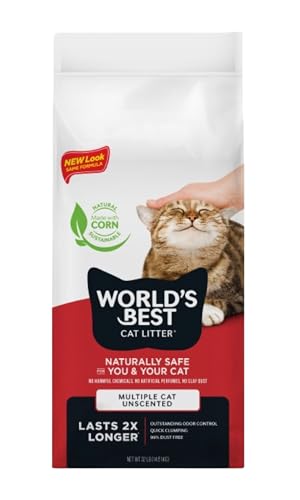
World's Best Cat Litter Multiple Cat Formula
Naturally derived corn-based clumping litter. Flushable, septic safe, and lightweight with long-lasting odor control.
View on AmazonLast updated: 2026-03-22
How we researched this: we compared the manufacturer's specifications and label claims, published guidance and reported owner experience. We have not tested this product ourselves, and nothing here is veterinary advice. Editorial policy
Strengths
- Flushable & septic safe
- Natural corn-based
- Lightweight
- Low tracking
Drawbacks
- Expensive per pound
- Can attract bugs
- Clumps less firm
World's Best Cat Litter Multiple Cat Formula: In-Depth Research
Editorial analysis by the FurReviews team, based on manufacturer specifications, published guidance and reported owner experience. We have not tested this product ourselves.
What corn-based litter changes
A plant-based clumping litter works on a different principle from clay. Clay clumps because sodium bentonite swells on contact with liquid; corn litter clumps because the starch absorbs and binds.
The practical differences that matter:
What does not change is the thing that actually controls odour: scooping. No litter of any material controls odour in a box that is not scooped daily.
Flushable, and the honest caveat
Flushability is the headline feature and it needs care rather than enthusiasm.
Do not flush cat waste if you are on a septic system unless you have verified your system can handle it. Many cannot.
Do not flush cat waste in areas where it is discouraged or prohibited. California, for example, has warning-label requirements around flushing cat faeces, and the reason is Toxoplasma gondii — a parasite shed in cat faeces that municipal water treatment does not reliably destroy, and which is genuinely harmful to marine wildlife, sea otters in particular.
Pregnant people should not handle cat litter at all , flushable or otherwise, because of toxoplasmosis risk. Where that is unavoidable, gloves and thorough handwashing, and someone else doing it is better.
Even where flushing is permitted, flush small amounts — one clump at a time — and not into old or narrow plumbing.
The practical position: flushability is a genuine convenience for some households and is not a universal green light. Bagging and binning is the safe default.
Corn, mould and aflatoxin — the question people ask
Corn products can in principle carry aflatoxin, a fungal toxin, and this comes up in discussions of corn litter.
Two points. Litter is not food, and the exposure route for a cat that digs in it is not the same as eating it. And reputable manufacturers test for it.
The practical precaution is storage: keep the bag sealed and dry, never damp, and do not store it somewhere humid. Damp plant-based litter can grow mould, which is a genuine problem in a small enclosed space, and mouldy litter should be binned rather than used.
Depth, box count and the things that beat brand
Transitioning, because texture matters to cats
Cats have strong litter preferences and litter box aversion is a leading cause of house soiling. Corn litter feels noticeably different underfoot from clay.
Transition gradually: mix increasing proportions over a week or two rather than changing overnight. If your cat starts going outside the box after a change, go back — the cat is telling you something clearly, and house soiling is a much worse problem than whichever litter you preferred.
When it is medical
Changes in litter box behaviour are a medical sign first. Straining, frequent small visits, blood, or crying in the box warrant a vet.
A male cat straining and producing little or nothing is a suspected urinary blockage — life-threatening, and needing a vet immediately including out of hours.
Clean marked spots with an enzymatic cleaner, never an ammonia-based one; ammonia smells like urine to a cat and invites repeat marking.
Who should look elsewhere
If you are on a septic system, or live where flushing cat waste is discouraged, bag and bin instead — and then the flushing advantage disappears. If your cat has a strong clay preference, that preference wins. And if anyone in the house is pregnant, they should not be handling litter at all.
World's Best Cat Litter Multiple Cat Formula: Common Questions
Is flushable cat litter actually safe to flush?
Not universally. Do not flush cat waste on a septic system unless you have verified it can cope, and not where it is discouraged or prohibited — the concern is Toxoplasma gondii, which municipal treatment does not reliably destroy and which harms marine wildlife including sea otters. Bagging and binning is the safe default.
Is corn litter better than clay?
It is lighter, generally lower in dust and made from a renewable material, which matters if carrying a heavy clay bag is difficult or if anyone in the house has asthma. Clay generally clumps harder and costs less per litre. Neither controls odour without daily scooping.
Can corn litter go mouldy?
If it gets damp, yes, and mouldy litter in a small enclosed space is a genuine problem. Keep the bag sealed and dry, avoid humid storage, and bin any litter that has got wet rather than using it.
How do I switch my cat to a new litter?
Gradually, mixing increasing proportions over a week or two. Corn litter feels noticeably different underfoot from clay, and cats have strong preferences — litter box aversion is a leading cause of house soiling. If your cat starts going outside the box, go back.
Should pregnant women avoid cat litter?
Yes, they should not handle it at all, because of toxoplasmosis risk. Where that is unavoidable, use gloves and wash hands thoroughly, but having someone else scoop is much better.
Where to Buy
As an Amazon Associate, FurReviews earns from qualifying purchases at no extra cost to you.
Similar Products You Might Like
Dr. Elsey's
Dr. Elsey's Premium Clumping Cat Litter
Hard-clumping unscented clay litter the manufacturer markets as hypoallergenic and 99.9% dust-free. 40 lb bag.
+ Hard clumping (owner reports)
+ Marketed 99.9% dust-free
- Very heavy bag
- Tracking outside box

Arm & Hammer
Arm & Hammer Clump & Seal Multi-Cat Litter
Marketed with a 7-day odour-free guarantee and moisture-activated micro-granules. Heavy-duty clumping for multi-cat households.
+ 7-day odor guarantee
+ Moisture-activated
- Dusty when pouring
- Heavy to carry
Pretty Litter
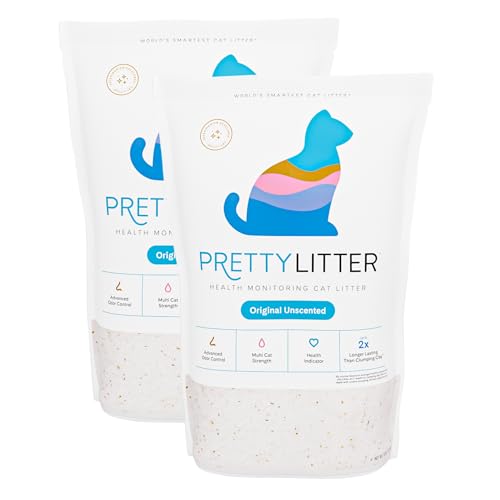
Pretty Litter Health Monitoring Cat Litter
Colour-changing silica gel litter. The company says colour changes can flag possible urinary issues worth a vet check; it is not a diagnosis.
+ Colour-change indicator
+ Lightweight
- Subscription required
- Expensive
