
Arm & Hammer
Arm & Hammer Clump & Seal Multi-Cat Litter
Marketed with a 7-day odour-free guarantee and moisture-activated micro-granules. Heavy-duty clumping for multi-cat households.
View on AmazonLast updated: 2026-04-10
How we researched this: we compared the manufacturer's specifications and label claims, published guidance and reported owner experience. We have not tested this product ourselves, and nothing here is veterinary advice. Editorial policy
Strengths
- 7-day odor guarantee
- Moisture-activated
- Hard clumps
- Multi-cat formula
Drawbacks
- Dusty when pouring
- Heavy to carry
- Tracks outside box
Arm & Hammer Clump & Seal Multi-Cat Litter: In-Depth Research
Editorial analysis by the FurReviews team, based on manufacturer specifications, published guidance and reported owner experience. We have not tested this product ourselves.
What clumping litter is actually for
A clumping litter's job is to let you remove urine as a solid, every day, so that it never sits in the box breaking down into ammonia. That is the entire mechanism behind odour control, and it is why scooping frequency matters more than which brand you buy.
Sodium bentonite clay is what makes clumping work: it swells on contact with liquid and binds into a mass you can lift out whole. The variable between brands is clump hardness — a clump that crumbles when you lift it leaves wet fragments behind, and those fragments are the smell.
The seven-day odour claim, in context
Read it as what it is: a manufacturer's claim under their conditions, which include scooping daily. No litter controls odour in a box that is not scooped.
The realistic framing:
If odour persists despite all of that, the cause is often not the litter — it is a box that is too small, too few boxes, or a health problem producing stronger urine.
Dust, and why it is the score we marked down
Heavy clay litters are dusty when poured, and this one is no exception. Dust matters for two reasons.
For the cat: fine dust is inhaled at close range every time the cat digs. Cats with asthma — which is more common than people realise — can be noticeably worse on a dusty litter, and a cat that suddenly coughs or wheezes after a litter change is telling you something.
For you: pouring a heavy bag into a box at floor level puts clay dust in your breathing zone.
Practical mitigations that cost nothing: pour slowly and from low down, tip the bag rather than shaking it, and use a covered box or a box in a ventilated room. If someone in the house has asthma, a low-dust or dust-free litter is worth the swap.
Tracking, and the fix that actually works
Fine clumping clay tracks. Cats leave the box with granules between their toes and deposit them across the house.
What works, roughly in order of effectiveness:
Deeper litter also tracks less than shallow litter, because the cat digs within the layer rather than scraping the base.
Depth, and the mistake most people make
Most people use too little. Around 7–10 cm of clumping litter is right. Too shallow and urine reaches the base of the box, clumps stick to the bottom, and you end up scraping — which is where the smell comes from and how boxes get scratched.
Too deep is only a waste of litter, not a problem.
Scented versus unscented, and what cats think
Multi-cat and odour-control formulas are often scented, and this is worth knowing: cats have a far more sensitive sense of smell than we do, and litter box aversion is a leading cause of house soiling. Some cats will not use a heavily perfumed litter.
If your cat starts toileting outside the box after a litter change, change back. That is the cat telling you clearly, and the answer is not a different scent — it is no scent.
Litter box rules that matter more than the litter
A note that matters more than any of this
Changes in litter box behaviour are a medical signal first and a behavioural one second. Straining, frequent small visits, blood, or a cat crying in the box needs a vet. A male cat straining and producing nothing is a blocked cat and is a life-threatening emergency.
Who should look elsewhere
If anyone in the house — cat or human — has asthma, choose a low-dust or dust-free litter. If your cat has rejected scented litter before, buy unscented. If weight is a problem for you to carry, lightweight or crystal litters exist. And if your cat has recently started missing the box, see a vet before buying anything.
Arm & Hammer Clump & Seal Multi-Cat Litter: Common Questions
How often should I scoop and change cat litter?
Scoop every day, ideally twice — that does more for odour than any product. Fully change clumping litter every two to four weeks for one cat, more often in a multi-cat home, and wash the box with unscented soap and water each time. A box that still smells after that needs replacing.
How deep should the litter be?
About 7 to 10 cm. Most people use too little. Shallow litter lets urine reach the base, clumps stick to the bottom, and you end up scraping — which scratches the box and is where the smell comes from. Deeper litter also tracks less, because the cat digs within the layer.
How do I stop litter tracking through the house?
A deep, high-sided box does most of it, because most tracking is litter kicked over the side while digging rather than carried on paws. Add a ridged or honeycomb litter mat that granules fall into, keep claws trimmed, and consider a top-entry box if your cat accepts one — though older or arthritic cats often cannot use them.
Is dusty litter bad for cats?
It can be. Fine clay dust is inhaled at close range every time a cat digs, and feline asthma is more common than people realise. A cat that starts coughing or wheezing after a litter change is telling you something. Pour slowly from low down, and switch to a low-dust litter if anyone in the house has asthma.
My cat has started peeing outside the box. What should I do?
See a vet first — straining, frequent small visits, blood or crying in the box are medical signs, and a male cat straining and passing nothing is a life-threatening emergency. Once medicine is ruled out, check the basics: one box per cat plus one, in separate locations, large, uncovered, unscented, and scooped daily.
Where to Buy
As an Amazon Associate, FurReviews earns from qualifying purchases at no extra cost to you.
Similar Products You Might Like
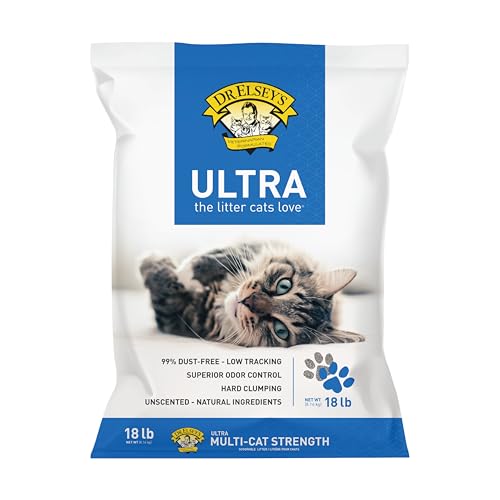
Dr. Elsey's
Dr. Elsey's Premium Clumping Cat Litter
Hard-clumping unscented clay litter the manufacturer markets as hypoallergenic and 99.9% dust-free. 40 lb bag.
+ Hard clumping (owner reports)
+ Marketed 99.9% dust-free
- Very heavy bag
- Tracking outside box
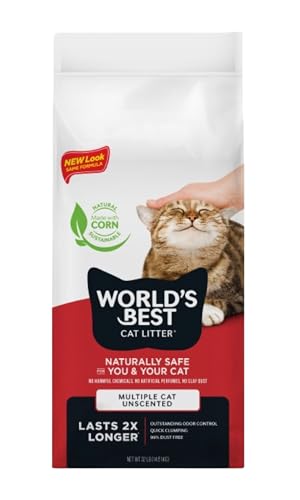
World's Best
World's Best Cat Litter Multiple Cat Formula
Naturally derived corn-based clumping litter. Flushable, septic safe, and lightweight with long-lasting odor control.
+ Flushable & septic safe
+ Natural corn-based
- Expensive per pound
- Can attract bugs
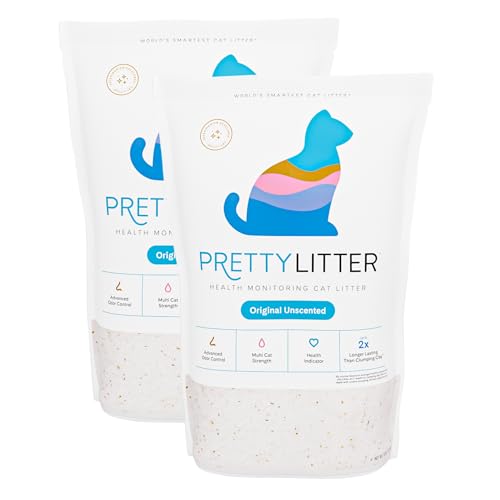
Pretty Litter
Pretty Litter Health Monitoring Cat Litter
Colour-changing silica gel litter. The company says colour changes can flag possible urinary issues worth a vet check; it is not a diagnosis.
+ Colour-change indicator
+ Lightweight
- Subscription required
- Expensive
