Best Cat Litter 2026: Clumping vs Crystal vs Natural Compared
Clumping clay, crystal and natural cat litters compared on odour control, dust, tracking and multi-cat households — and how to switch without a protest.
Affiliate Disclosure: FurReviews earns commissions from qualifying purchases. That does not affect what we recommend. Learn more

Cat litter comes in three broad families — clumping clay, silica crystal and plant-based — and each trades off odour control, dust, tracking, weight and cost differently. This guide compares widely sold litters on those points using manufacturer specifications and the consensus of long-term owner reports.
How this guide was put together: we compared manufacturer specifications, labels, published guidance and reported owner experience. We have not tested these products ourselves, and nothing here is veterinary advice. The comparison notes below describe reported owner experience and published claims; they are not our measurements.
How we compared them
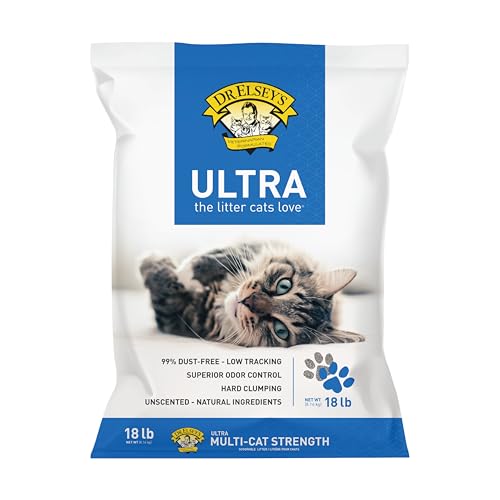
Clumping clay: Dr. Elsey's Precious Cat Ultra
Dr. Elsey's is a hard-clumping unscented clay. Owners widely report strong clumping and odour control, and the manufacturer markets it as 99.9% dust-free and hypoallergenic. Medium-weight granules do track somewhat. It is one of the lower-cost options per month.
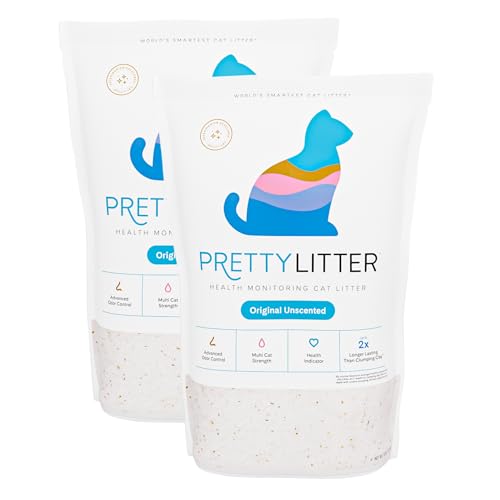
Silica crystal: Pretty Litter
Pretty Litter is silica gel sold by subscription. Its crystals change colour, which the company says can flag changes in urine pH or the presence of blood. That is a prompt to see a vet, not a diagnosis, and a normal colour does not rule out a problem. Crystals are light and low-dust; it is the most expensive way to buy litter. Our health-monitoring cat litter guide explains what each colour means and when to skip the litter and call a vet.
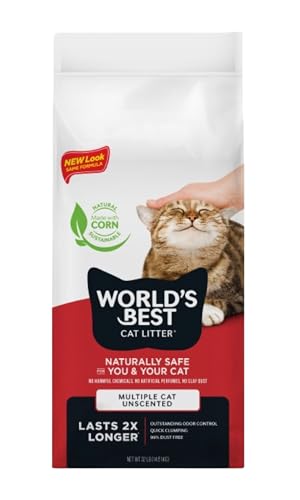
Plant-based: World's Best Cat Litter
World's Best is made from corn, is lightweight and clumps, and the manufacturer describes it as flushable where local rules allow. Owners generally report odour control that is good but not at the level of hard-clumping clay.
Low dust: Arm & Hammer Clump & Seal
Arm & Hammer Clump & Seal is marketed for sealing odour for up to seven days and for low dust. Some owners report heavier granules sticking to paws.
Self-cleaning: Litter-Robot
The Litter-Robot is not a litter but a self-cleaning box that works with clumping litter, sifting waste into a sealed drawer and sending app notifications. It is a large up-front cost; some cats refuse it, so keep an ordinary box available while a cat adjusts.
Crystal litter in detail: what to compare
Silica crystal litter works differently from clay: the crystals absorb urine and hold moisture and odour inside them until they are saturated, rather than forming a clump you remove. That changes what matters when you compare crystal litters.
| What you care about | What to look for on the label | The honest trade-off |
|---|---|---|
| Odour control and freshness | Unscented silica with a stated duration per cat | Works well until the crystals saturate, then fails quickly; stir daily so urine meets fresh crystals |
| Longevity and replacement timing | The maker's "lasts up to" figure and whether it is per cat | Figures are usually for one cat; with two cats expect the tray to saturate in roughly half the time |
| Ease of use (pouring, cleanup, tracking) | Granule size and low-dust claims | Light to pour and low-dust, but small round crystals can scatter and roll on hard floors |
| Weight | Bag weight against the number of weeks it covers | Much lighter to carry than clay for the same period |
| Cost and value | Price per week of use for your number of cats | Higher price per bag; value depends on changing it on schedule, not early or late |
| Scent and texture | Unscented vs scented, and crystal shape | Many cats dislike strong fragrance; some dislike the hard, sharp-edged texture underfoot |
| Acceptance and transition | Whether a gradual switch is possible | Cats used to fine clay may refuse crystals — mix them in over one to two weeks |
| Health monitoring | Colour-changing indicator crystals | A colour change is a prompt to see a vet, not a diagnosis |
Multi-cat homes: crystals can work, but the tray saturates faster and urine pools if it is not stirred, so many multi-cat households find hard-clumping clay easier to keep fresh. If you use crystals with several cats, keep one tray per cat plus one and replace on the shorter schedule.
Disposable crystal trays for self-cleaning boxes are convenient but lock you into one maker's refills; check the refill cost per month before buying the box.
Litter box practices that matter more than brand
Switching litter
Mix a little of the new litter into the old and increase the proportion over one to two weeks. If your cat stops using the box, go back a step.
The bottom line
Hard-clumping clay suits most homes on odour and cost; crystals are lighter and low-dust; plant-based litters are lighter and more sustainable. Box number, depth and daily scooping matter more than the brand.
Sources
Products Mentioned in This Article

📋 Affiliate Disclosure: FurReviews is reader-supported. When you buy through links on our site, we may earn an affiliate commission at no extra cost to you. This does not influence what we recommend. We compare specifications, materials and reported owner experience rather than testing products in a lab, and we say so on every page. Read our full disclosure
Frequently Asked Questions
What is the best cat litter for odour control?
Hard-clumping sodium bentonite clay generally controls odour best because urine is sealed into a removable clump. Odour control still depends on scooping daily and a full change every two to four weeks.
Is crystal or clumping litter better?
Clumping clay is better for daily scooping and multi-cat homes. Silica crystal litter absorbs moisture and is lighter and lower-dust, but solid waste must still be removed and the whole tray replaced on schedule.
Is natural cat litter as good as clay?
Pine, paper, walnut, corn and tofu litters are lighter, low-dust and often more sustainable, but most clump more weakly and are not compatible with automatic litter boxes.
How do I switch my cat to a new litter?
Mix about 25% new litter into the old, increase the ratio every few days over two weeks, and keep one tray with the original litter available so your cat always has an accepted option.
How much litter should I put in the box?
About 7–10cm (3–4in) of clumping litter so urine forms a clump before it reaches the tray floor. Top up weekly to hold that depth.

