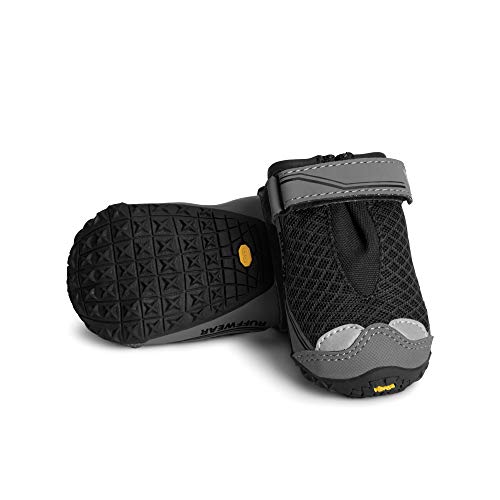
Ruffwear
Ruffwear Front Range All-Day Adventure Harness
Padded everyday harness with two leash attachment points, four adjustment points, and an ID pocket. Reflective trim.
View on AmazonLast updated: 2026-04-02
How we researched this: we compared the manufacturer's specifications and label claims, published guidance and reported owner experience. We have not tested this product ourselves, and nothing here is veterinary advice. Editorial policy
Strengths
- Very comfortable padding
- Two leash points
- Reflective for safety
- ID pocket
Drawbacks
- Premium price
- Sizing runs small
- Velcro wears over time
Ruffwear Front Range All-Day Adventure Harness: In-Depth Research
Editorial analysis by the FurReviews team, based on manufacturer specifications, published guidance and reported owner experience. We have not tested this product ourselves.
Why a harness rather than a collar
A collar concentrates all the force of a pull onto the neck, over the trachea and the thyroid. For a dog that pulls, that is a repeated load on structures not designed for it, and it is a particular concern in brachycephalic breeds with already-compromised airways and in small dogs prone to tracheal collapse.
A well-fitted harness spreads the load across the chest and shoulders. For most dogs that is simply better, and for a dog that pulls it is clearly better.
The trade-off worth knowing: a badly designed harness that restricts the shoulder can alter gait, and a harness alone does not teach a dog not to pull. It manages the consequences while you do the training.
Two attachment points, two different jobs
This is the feature that matters most and it is routinely misunderstood.
The back clip is for a dog that already walks politely, for running, hiking and anywhere the lead is loose. It is comfortable and it does not interfere with movement.
The front clip , on the chest, is a training aid. When the dog pulls forward, the front attachment turns it gently back towards you rather than letting it drive straight ahead. It removes the opposition reflex — the instinct to push into pressure — that makes back-clip pulling self-reinforcing.
The mistake people make is clipping to the back and expecting the harness to stop pulling. A back-clip harness on a puller is a sled harness. If pulling is your problem, use the front clip while you train, and move to the back clip once the dog walks well.
A double-ended lead clipped to both points gives the most control of all, and is what many trainers use with strong dogs.
Fitting it properly
Most harness complaints are fit problems.
Four adjustment points is meaningfully better than two, because it lets you set the neck and girth independently for a dog that is not a standard shape.
Escaping, and the dogs that do it
A frightened dog backing up can reverse out of a two-strap harness. If your dog has ever escaped a harness, or is a sighthound or a nervous rescue, look for a design with a third strap around the waist, or use a harness alongside a well-fitted collar with the lead clipped to both.
Never walk a dog that has escaped once on the same setup and hope.
Handles, ID pockets and reflective trim
A grab handle is genuinely useful — lifting a dog over a stile, holding it steady at a kerb, or steadying an older dog on stairs. It is not a lifting handle for the dog's whole weight over a long period, and it is not a substitute for supporting an injured dog properly.
Reflective trim matters more than it sounds on winter walks. If you walk in the dark regularly, add a light as well — reflection needs a light source pointed at it, and a car on full beam sees reflection only at the last moment.
Washing and wear
Rinse salt and mud off after beach and winter walks; salt crystals in webbing are abrasive against skin. Hand wash and air dry rather than tumble drying, which degrades webbing and melts plastic hardware.
Inspect the stitching at the attachment points and the buckles periodically. Webbing and plastic both age, and a harness is a safety item.
Training still has to happen
A front-clip harness manages pulling. It does not teach loose-lead walking.
The thing that does: reward the position you want, frequently, before the dog reaches the end of the lead. Stop moving when the lead goes tight and start again when it loosens, so pulling never achieves forward motion. Be boringly consistent — every walk where pulling works undoes several where it did not.
Who should look elsewhere
If your dog has escaped a harness before, choose a design with a third waist strap. If you need a harness for car travel, that is a different product — a crash-tested restraint, not a walking harness. And if your dog pulls hard, the front clip plus consistent training is the answer, not a stronger harness.
Ruffwear Front Range All-Day Adventure Harness: Common Questions
Should I use the front or back clip?
Front for a dog that pulls, because it turns the dog gently back towards you and removes the opposition reflex that makes back-clip pulling self-reinforcing. Back for a dog that already walks politely, and for running and hiking. A double-ended lead clipped to both gives the most control.
How should a dog harness fit?
Measure girth around the deepest part of the chest just behind the front legs and check the maker's chart. Two fingers should slide under any strap, and the chest strap should sit across the breastbone rather than across the front of the shoulders — a strap over the shoulder joint restricts the front legs' reach.
Is a harness better than a collar?
For most dogs, and clearly so for a dog that pulls. A collar concentrates force on the neck over the trachea, which is a particular concern in flat-faced breeds and small dogs prone to tracheal collapse. A harness spreads the load across the chest and shoulders.
My dog escaped from its harness. What now?
Do not use the same setup again and hope. A frightened dog backing up can reverse out of a two-strap harness. Look for a design with a third strap around the waist, or clip the lead to both the harness and a well-fitted collar.
Will a harness stop my dog pulling?
A front clip manages it; it does not teach loose-lead walking. Reward the position you want before the dog reaches the end of the lead, stop moving when the lead goes tight, and start again when it loosens — so pulling never achieves forward motion. Consistency is what makes it stick.
Where to Buy
As an Amazon Associate, FurReviews earns from qualifying purchases at no extra cost to you.
Similar Products You Might Like
PetSafe
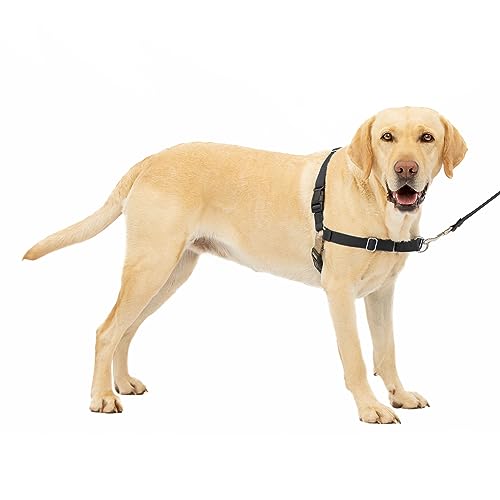
PetSafe Easy Walk Dog Harness
Front-clip no-pull harness that gently discourages pulling without choking. 4 adjustment points for a custom fit.
+ Front clip redirects pulling
+ No choking/gagging
- Can chafe under legs
- Buckles can break

PetSafe
PetSafe Stay & Play Wireless Fence
Portable wireless fence system with adjustable range up to 3/4 acre. No buried wires required for easy setup.
+ No buried wires
+ Portable
- Circular boundary only
- Signal interference possible

Clicker Training
BARKIE Dog Training Kit
Clicker Training dog training listed for comparison. We have not yet researched this product in depth — check the full specifications on the retailer's page.
