
PetSafe
PetSafe Stay & Play Wireless Fence
Portable wireless fence system with adjustable range up to 3/4 acre. No buried wires required for easy setup.
View on AmazonLast updated: 2026-04-10
How we researched this: we compared the manufacturer's specifications and label claims, published guidance and reported owner experience. We have not tested this product ourselves, and nothing here is veterinary advice. Editorial policy
Strengths
- No buried wires
- Portable
- Adjustable range
- Waterproof collar
Drawbacks
- Circular boundary only
- Signal interference possible
- Requires flat terrain
PetSafe Stay & Play Wireless Fence: In-Depth Research
Editorial analysis by the FurReviews team, based on manufacturer specifications, published guidance and reported owner experience. We have not tested this product ourselves.
How a wireless boundary works, and why the shape matters
A wireless system places a transmitter in the house that broadcasts a circular signal. The dog wears a receiver collar that warns and then corrects as it approaches the edge of that circle.
The circle is the key limitation, and it surprises people: you cannot shape it. A property that is long and narrow, L-shaped, or has a driveway on one side gets a circle that either excludes part of the garden you wanted included, or includes part of the road you wanted excluded.
Signal is also affected by terrain, metal siding, large appliances, dense walls and slopes, and the boundary can move as conditions change. A boundary that shifts by a couple of metres is a boundary the dog experiences as inconsistent, and inconsistency is the enemy of everything that follows.
A buried-wire system is more work and gives you a boundary you actually control.
What these systems do not do
Two things worth being explicit about, because they cause most of the disappointment:
They do not keep anything out. Other dogs, foxes, wildlife and people walk straight in. For a small dog, that is a real safety consideration.
They do not stop a determined dog leaving. A dog with strong prey drive, in full chase, will run through a correction — and then finds itself outside the boundary and unwilling to cross back in, because coming home now means another correction. A dog that has bolted and cannot return is the classic failure of these systems, and it is why a physical fence remains the better answer whenever one is possible.
The welfare debate, stated fairly
Aversive containment systems are genuinely contested. Some veterinary and behaviour organisations advise against them, on the grounds that they work by punishment and that fear and pain can generalise beyond the intended lesson — a dog corrected while a child walks past can learn to associate children with pain, not the boundary.
They are restricted or banned in some jurisdictions. Check your local law before buying.
Against that, some owners with unfenceable properties genuinely have no physical alternative, and a contained dog is safer than an uncontained one.
What we can say without hedging: if you use one, the training is not optional, and how you do it determines whether the system is a boundary the dog understands or a source of unpredictable pain.
If you use one, train it properly
The correction is meant to be the last resort, not the mechanism. The dog should learn the flags and the warning tone, and never routinely reach the static level.
Collar fit and skin
Pressure necrosis from a contact-point collar worn too tightly or for too long is a documented injury and it is entirely preventable.
Battery and failure
The collar battery is a single point of failure. A flat battery is no containment at all, and a dog that has learned the boundary will usually respect it for a while and then discover it is gone.
Check the indicator on a schedule rather than waiting for a failure, and keep spares.
The alternative worth considering
For many households the honest answer is a long line and recall training, or a physical fence for part of the garden. Neither is as convenient, and both are more reliable.
If you do use a wireless system, treat it as one layer — supervision, a microchip with current registry details, a collar tag and solid recall training all still matter.
Who should look elsewhere
If you can build a physical fence, build one — it keeps things out as well as in. If your dog has strong prey drive or has bolted before, this is not a reliable containment method. If your dog is fearful or anxious, an aversive system risks making that worse. And check your local law before buying anything.
PetSafe Stay & Play Wireless Fence: Common Questions
Do wireless dog fences work?
They contain many dogs in an ordinary garden, with proper training. They do not keep other animals or people out, and they do not reliably stop a dog in full chase — which then finds itself outside the boundary and unwilling to cross back because returning means another correction. A physical fence is better whenever one is possible.
Why can't I shape the boundary?
A wireless transmitter broadcasts a circular signal, so the coverage is a circle you can only resize, not reshape. A long, narrow or L-shaped property gets a circle that either excludes garden you wanted or includes road you did not. Terrain, metal siding and appliances also shift the boundary, and an inconsistent boundary undermines the training.
How should I train a dog to a boundary system?
Flag the boundary, then walk it on a long lead with the collar on and correction off so the dog learns the warning tone, calling it back and rewarding heavily — for days. Only then enable the lowest effective level. Never call the dog across the boundary, or it will be corrected for coming when called.
Are these collars safe on a dog's neck?
Only with care. Pressure necrosis from contact points worn too tightly or too long is documented and preventable. Fit two fingers under the collar, remove it for several hours a day, never leave it on overnight, reposition it slightly each time, and check the skin daily for redness or sores.
Are containment collars legal?
It depends where you live — they are restricted or banned in some jurisdictions, and some veterinary and behaviour organisations advise against them on welfare grounds. Check your local law before buying, and consider whether a long line with recall training or a partial physical fence would serve better.
Where to Buy
As an Amazon Associate, FurReviews earns from qualifying purchases at no extra cost to you.
Similar Products You Might Like
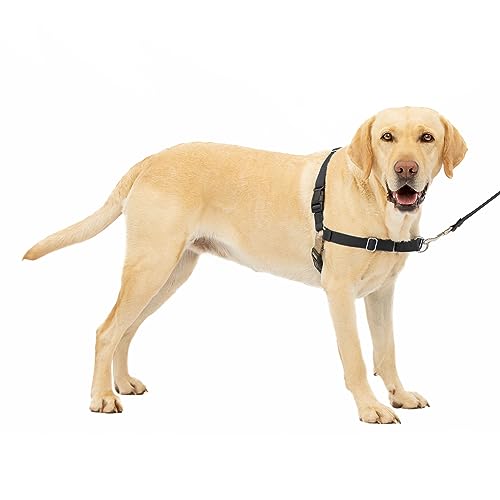
PetSafe
PetSafe Easy Walk Dog Harness
Front-clip no-pull harness that gently discourages pulling without choking. 4 adjustment points for a custom fit.
+ Front clip redirects pulling
+ No choking/gagging
- Can chafe under legs
- Buckles can break
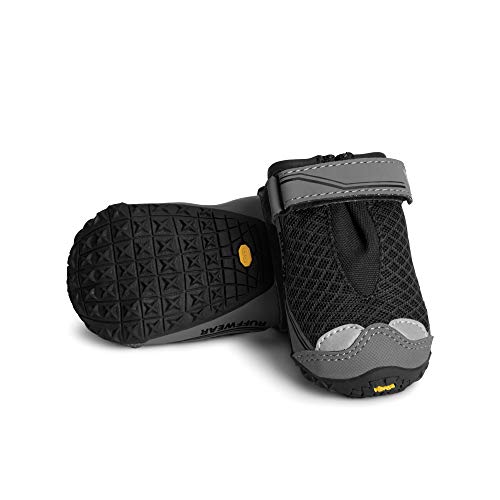
Ruffwear
Ruffwear Front Range All-Day Adventure Harness
Padded everyday harness with two leash attachment points, four adjustment points, and an ID pocket. Reflective trim.
+ Very comfortable padding
+ Two leash points
- Premium price
- Sizing runs small

Clicker Training
BARKIE Dog Training Kit
Clicker Training dog training listed for comparison. We have not yet researched this product in depth — check the full specifications on the retailer's page.
