Best Puppy Food 2026: Top Picks for Large Breed & Small Breed Puppies
Puppy foods compared on AAFCO growth statements, large-breed calcium limits, kibble size and cost — and the feeding mistakes that matter most.
Affiliate Disclosure: FurReviews earns commissions from qualifying purchases. That does not affect what we recommend. Learn more

Puppy food is one of the few pet purchases where the label genuinely decides the answer. A puppy needs a food formulated for growth, and a large-breed puppy needs one formulated for the growth of large-size dogs. This guide compares widely sold puppy foods on those statements and on the practical things — kibble size, availability and cost.
How this guide was put together: we compared manufacturer specifications, labels, published guidance and reported owner experience. We have not tested these products ourselves, and nothing here is veterinary advice.
What makes a puppy food different
AAFCO publishes two nutrient profiles for dogs: one for growth and reproduction, one for adult maintenance. The growth profile sets higher minimums for protein, fat and several minerals. Large-breed puppies are a special case: AAFCO's growth profile includes a maximum calcium level for puppies expected to weigh 70 lb or more as adults, because excess calcium during growth is associated with developmental orthopedic disease in large and giant breeds.
Breed-size formulas: Royal Canin
Royal Canin sells puppy formulas by size and by breed, with kibble shaped for different jaws. Whether breed-specific kibble shape matters for your dog is the manufacturer's claim; what you can check is that the bag carries a growth or all-life-stages AAFCO statement suitable for your puppy's expected adult size.
Large-breed puppies: Hill's Science Diet Large Breed Puppy
Hill's Science Diet Large Breed Puppy is formulated with controlled calcium and phosphorus for large-breed growth, according to the manufacturer. The brand also states its antioxidant blend has been clinically tested; that is the manufacturer's claim, not our finding. Keep large-breed puppies lean: you should be able to feel their ribs easily.
Small-breed puppies: Wellness Complete Health Small Breed Puppy
Small-breed puppy foods use smaller kibble and higher calorie density per cup. Wellness lists deboned turkey as its first ingredient and adds DHA.
Lower-cost option: Diamond Naturals Puppy
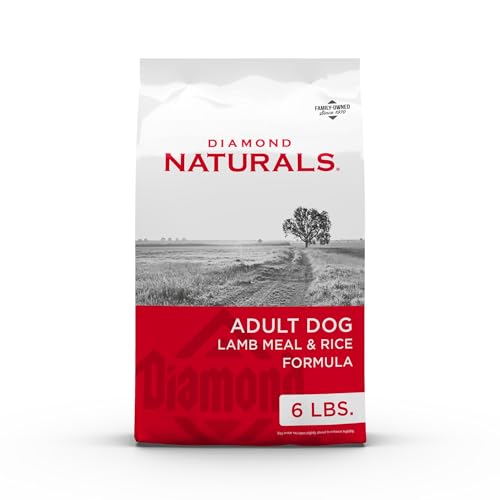
Diamond Naturals is one of the lower-priced puppy foods with a named meat as the first ingredient. Check that the specific bag you buy carries the AAFCO statement your puppy needs — especially the large-size-dog wording if your puppy will be big.
Fresh delivery: The Farmer's Dog
Fresh, pre-portioned delivery services such as The Farmer's Dog make portion control easy and are the most expensive way to feed a puppy. Palatability claims in their marketing are theirs; ask for the AAFCO statement for growth before relying on one as a puppy's only food.
How to choose
When to switch to adult food
Small breeds usually move to adult food around their first birthday, and large and giant breeds later, as they finish growing. Ask your vet at the final puppy appointment rather than going by a chart.
Feeding mistakes worth avoiding
The bottom line
Any complete food with the right AAFCO growth statement, fed in measured meals that keep your puppy lean, is a good start. Brand matters less than those two things.
Sources
Products Mentioned in This Article

📋 Affiliate Disclosure: FurReviews is reader-supported. When you buy through links on our site, we may earn an affiliate commission at no extra cost to you. This does not influence what we recommend. We compare specifications, materials and reported owner experience rather than testing products in a lab, and we say so on every page. Read our full disclosure