How to Stop Your Dog From Pulling on the Leash: A Practical Guide
A step-by-step, reward-based approach to loose-leash walking, plus how front-clip harnesses help while you train.
Affiliate Disclosure: FurReviews earns commissions from qualifying purchases. That does not affect what we recommend. Learn more

Pulling on the leash is one of the most common frustrations owners report, and it is a training problem rather than a character flaw. Dogs pull because walking is exciting, because they naturally move faster than we do, and because pulling usually works. This guide sets out reward-based methods that change that, and the equipment that helps in the meantime.
How this guide was put together: we compared manufacturer specifications, labels, published guidance and reported owner experience. We have not tested these products ourselves, and nothing here is veterinary advice. The methods below are standard reward-based training techniques; for reactivity or aggression, work with a qualified professional.
Stop pulling from paying off
The principle behind every method here: the dog should never get where it wants to go by pulling.
The "be a tree" method:
Early walks will be slow. Consistency matters far more than walk length.
Change direction
When the dog pulls ahead, turn and walk the other way. When they catch up and walk beside you, mark and reward. Use rewards the dog really wants — small, soft pieces of something better than kibble — because outdoors competes hard for attention.
Build duration gradually
Once the dog understands the idea, reward one step on a loose leash, then two, then three, building up over sessions. If the dog pulls, go back a few steps in the count. Short, frequent sessions work better than long ones.
Equipment that helps while you train
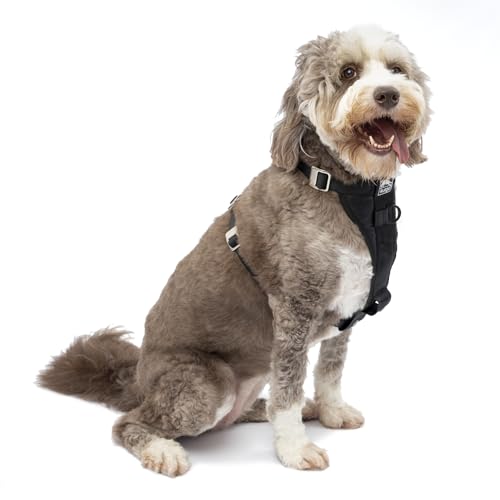
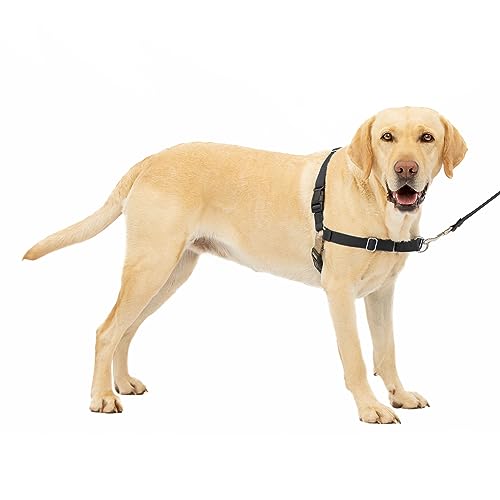
A front-clip harness turns a pulling dog sideways instead of letting it lean forward, which makes walks more manageable while training takes hold. Options include the PetSafe Easy Walk, the Ruffwear Front Range (front and back clips), and the Kurgo Tru-Fit, which Kurgo also markets as crash-tested for car travel. Equipment manages pulling; training changes it.
Common mistakes
What progress looks like
Every dog is different. Expect the first week or two to be slow, then more check-ins and fewer tight-leash moments. Progress depends on consistency, the dog's age and energy, and how distracting your walking route is.
When to get help
If your dog lunges, barks at or tries to reach other dogs or people, that is reactivity, which needs a different plan. Look for a credentialed trainer who uses reward-based methods, or ask your vet about a veterinary behaviourist. Also get help if you feel unsafe holding the lead or your dog has hurt itself pulling.
The bottom line
Make pulling stop working, reward the loose leash generously, and use a front-clip harness to keep walks safe while the habit changes.
Sources
Products Mentioned in This Article
📋 Affiliate Disclosure: FurReviews is reader-supported. When you buy through links on our site, we may earn an affiliate commission at no extra cost to you. This does not influence what we recommend. We compare specifications, materials and reported owner experience rather than testing products in a lab, and we say so on every page. Read our full disclosure