Hagen
Hagen Living World Outside Bird Bath
Enclosed outside bird bath that attaches to cage door. Keeps water inside while birds splash. Easy to clean.
View on AmazonLast updated: 2026-03-20
How we researched this: we compared the manufacturer's specifications and label claims, published guidance and reported owner experience. We have not tested this product ourselves, and nothing here is veterinary advice. Editorial policy
Strengths
- Enclosed design less mess
- Easy cage attachment
- Transparent for viewing
- Affordable
Drawbacks
- Small for larger birds
- Clips can break
- Leaks if overfilled
Hagen Living World Outside Bird Bath: In-Depth Research
Editorial analysis by the FurReviews team, based on manufacturer specifications, published guidance and reported owner experience. We have not tested this product ourselves.
Bathing is not optional for birds
Regular bathing keeps feathers in condition, supports normal preening, and — importantly — helps with the dust and dander that build up in a house with birds in it.
It also matters for skin. Indoor air, particularly with heating running, is dry. Birds from humid environments in a dry centrally heated house often develop itchy skin and start feather-plucking, and regular bathing is one of the genuinely useful interventions against that.
A bird that never bathes tends to have dull, poorly maintained plumage and more dander. Most birds enjoy it once they work out what it is.
An enclosed bath solves the actual problem
Birds splash enthusiastically and a shallow open dish in a cage means water across the floor, into the food bowl, and soaking the bedding beneath.
An enclosed bath that clips to the cage door keeps most of it contained. Two practical consequences follow:
Water depth, and the safety point
Shallow. Roughly to the bird's ankle joint — a couple of centimetres for a budgie.
Small birds can and do drown in surprisingly little water, particularly young birds and birds that panic. Never fill a bath to a depth the bird cannot stand in comfortably, and never leave a deep water container accessible.
Use plain cool or lukewarm water. No soap, no detergent, no additives — these strip the natural oils from feathers, which is the opposite of what bathing is for. Warm water is unnecessary and hot water is dangerous.
Frequency, and the birds that refuse
Offer a bath daily or every couple of days. Many birds bathe enthusiastically and daily; some prefer every few days; some ignore a bath dish entirely.
For the refusers, alternatives worth trying:
Birds often bathe more readily in the morning, and in daylight rather than under artificial light.
Drying, and the thing not to do
Let the bird dry naturally in a warm, draught-free room. Bathe earlier in the day so it is dry well before the temperature drops at night, and never leave a wet bird in a draught.
Never use a hairdryer near a bird. Many hairdryers and other heated appliances have non-stick coatings, and overheated PTFE releases fumes that kill birds very quickly. This is a genuinely common cause of sudden death in pet birds and it extends to non-stick cookware, self-cleaning ovens and some heaters. Keep birds well away from the kitchen.
Cleaning the bath
Change the water every time. Birds defecate in bath water readily, and standing water in a warm room grows bacteria fast.
Wash the bath itself regularly with hot water, and scrub away any film — a slimy surface is a biofilm and it belongs nowhere near a bird.
Who should look elsewhere
For cockatiels and larger parrots, use a larger dish or a supervised bath outside the cage. If your bird ignores a bath entirely, try misting or wet greens rather than a different bath. And if your bird has bald patches or is plucking, that needs an avian vet — plucking has medical as well as behavioural causes.
Hagen Living World Outside Bird Bath: Common Questions
How often should birds bathe?
Offer a bath daily or every couple of days. Many birds bathe enthusiastically every day, others prefer every few days, and some ignore a dish entirely. Bathing keeps feathers in condition, supports preening, and helps with the dry skin and plucking that dry centrally heated air can cause.
How deep should the water be?
Shallow — roughly to the bird's ankle joint, a couple of centimetres for a budgie. Small birds can drown in surprisingly little water, especially young or panicking ones. Use plain cool or lukewarm water with no soap or additives, which strip the natural oils from feathers.
My bird won't use the bath. What else can I try?
A fine mist from a plain water spray bottle, aimed above the bird so it falls like rain rather than at its face. Wet greens clipped to the bars — many birds roll in a damp kale or romaine leaf. Or a shallow saucer under supervision outside the cage. Mornings and daylight work better than evenings.
Can I dry my bird with a hairdryer?
Never. Many hairdryers and heated appliances have non-stick coatings, and overheated PTFE releases fumes that kill birds very quickly. Let the bird dry naturally in a warm, draught-free room, and bathe earlier in the day so it dries before the temperature drops.
How often should I change the bath water?
Every time. Birds defecate in bath water readily and standing water in a warm room grows bacteria fast. Wash the bath itself regularly with hot water and scrub off any slimy film.
Where to Buy
As an Amazon Associate, FurReviews earns from qualifying purchases at no extra cost to you.
Similar Products You Might Like

Bird Bath
Bird Bath for Cage Parakeet Plastic Parrot Bathtub for Cage Hanging…
Bird Bath bird accessories listed for comparison. We have not yet researched this product in depth — check the full specifications on the retailer's page.
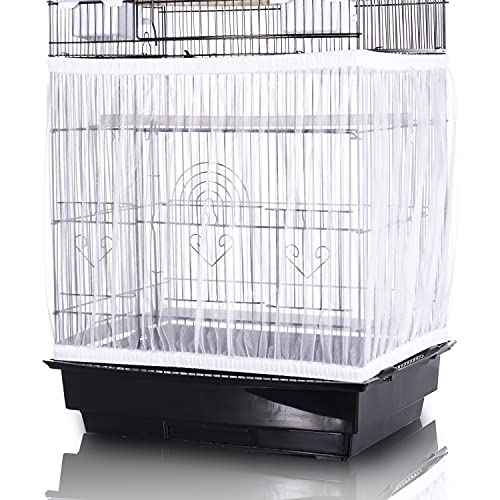
Bird Cage
Tamu style Bird Cage Seed Catcher
Bird Cage bird accessories listed for comparison. We have not yet researched this product in depth — check the full specifications on the retailer's page.
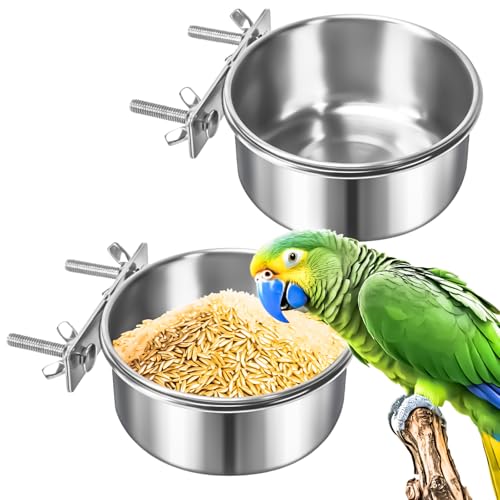
Bird Feeder
2 Pack Bird Feeding Bowls Cups Parrot Food Water Dishes
Bird Feeder bird accessories listed for comparison. We have not yet researched this product in depth — check the full specifications on the retailer's page.