Best Flea Prevention for Cats 2026: Topical vs Oral vs Collar
Cat flea prevention compared by product class — spot-ons, oral products and collars — with the safety rules that matter most and sources.
Affiliate Disclosure: FurReviews earns commissions from qualifying purchases. That does not affect what we recommend. Learn more

Fleas cause itching and flea allergy dermatitis in cats, spread tapeworm, and can cause serious anaemia in young kittens. This guide explains the flea life cycle and compares the main product classes for cats, with widely sold examples, and sets out the safety rules that matter most.
How this guide was put together: we compared manufacturer specifications, labels, published guidance and reported owner experience. We have not tested these products ourselves, and nothing here is veterinary advice. Parasite products are medicines. Choose and dose them with your vet, especially for kittens, older cats, pregnant or nursing cats, and cats with other illnesses.
The rule that matters most
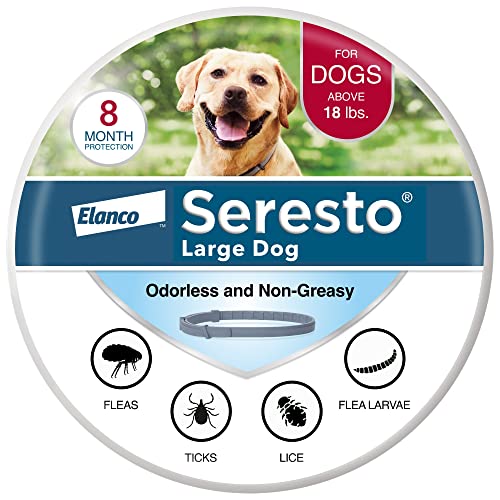
Never use a dog flea product on a cat. Some dog spot-ons contain concentrated permethrin, which is highly toxic to cats; the ASPCA Animal Poison Control Center lists it among the most common causes of serious poisoning in cats. Even contact with a recently treated dog can be dangerous.
How the flea life cycle works
Adult fleas live on the cat, but eggs, larvae and pupae develop in carpets, bedding and furniture. Pupae can wait weeks before hatching, so new adult fleas keep appearing after treatment begins. That is why consistent treatment over several months, of every pet in the home, plus cleaning, is needed to end an infestation.
Spot-on (topical) products
Applied to the skin at the back of the neck.
Apply to the skin, not the fur, where the cat cannot lick, and follow the label on bathing.
Oral products
Tablets or chews, often prescription. They are not affected by bathing but many cats are hard to pill, and they do not repel fleas. The U.S. FDA has asked makers of isoxazoline-class products to include information about possible neurologic side effects on their labels; ask your vet whether a given product suits your cat.
Collars
"Natural" products
There is little evidence that garlic, brewer's yeast or ultrasonic devices prevent fleas, and many essential oils are toxic to cats. Do not use them as a substitute.
What helps alongside treatment
Indoor cats
Fleas can arrive on people, other pets and second-hand furniture. Whether an indoor-only cat needs year-round prevention is a conversation for your vet based on your household.
If your cat already has fleas
Start a vet-recommended product for every pet, clean the home as above, and keep going for about three months. Kittens with heavy infestations can become anaemic quickly; pale gums or weakness mean a vet visit the same day.
The bottom line
Use a cat-specific product your vet recommends, apply it correctly, treat every pet and the home, and never use a dog product on a cat.
Sources
Products Mentioned in This Article

📋 Affiliate Disclosure: FurReviews is reader-supported. When you buy through links on our site, we may earn an affiliate commission at no extra cost to you. This does not influence what we recommend. We compare specifications, materials and reported owner experience rather than testing products in a lab, and we say so on every page. Read our full disclosure