PetSafe
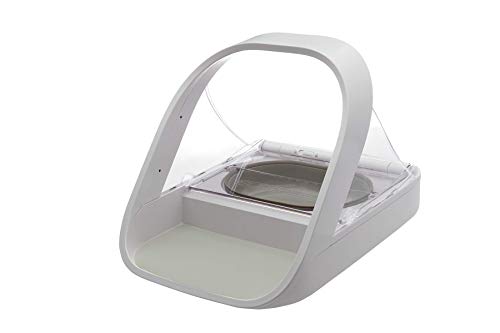
PetSafe Microchip Pet Feeder
Automatic feeder that opens only for your registered pet's microchip. Prevents food theft in multi-pet households.
View on AmazonLast updated: 2026-04-10
How we researched this: we compared the manufacturer's specifications and label claims, published guidance and reported owner experience. We have not tested this product ourselves, and nothing here is veterinary advice. Editorial policy
Strengths
- Microchip activated
- Prevents food theft
- Works with existing microchips
- Sealed bowl design
Drawbacks
- Only one pet per feeder
- Bowl size limited
- Battery operated
PetSafe Microchip Pet Feeder: In-Depth Research
Editorial analysis by the FurReviews team, based on manufacturer specifications, published guidance and reported owner experience. We have not tested this product ourselves.
The problem this feeder solves
Multi-cat households have a resource problem that no ordinary bowl fixes. One cat is on a prescription renal or urinary diet, another is on weight management, a third eats everything in sight within ninety seconds and then goes looking for seconds. Feeding in separate rooms works until someone forgets a door. Timed feeders do not help at all, because they open for whoever happens to be standing there.
A microchip feeder solves it structurally: the lid only opens for the pet whose ID is stored in the feeder. Everyone eats in the same room, and each cat gets only their own food.
How the microchip reading works
The feeder reads the same implanted microchip your vet scanner reads — no collar tag required, nothing extra for the cat to wear or lose. It supports the common implant standards, including 15-digit FDX-B chips and 9-digit FDX-A chips, and it stores multiple pet IDs (up to 32), so one unit can serve a household of several cats, or you can run one feeder per cat and register each cat to their own.
If a pet is not microchipped, an RFID collar tag can be used instead and trained to the feeder the same way.
Training a pet to the feeder takes one button press: hold the training button, let the pet approach, and the feeder records the chip it reads. From then on the lid opens as that pet's head comes into range and closes a moment after they step away.
The sealed bowl is the underrated feature
Because the lid closes between visits, the bowl is sealed by a neoprene gasket. That has three consequences that matter more day to day than the microchip does:
The feeder ships with a single bowl insert and a split bowl insert. The split bowl is the more useful of the two for most owners: wet food on one side and a small measure of dry on the other, or a portion split into two sittings.
What it will and will not do
It will not portion food for you. This is a gated bowl, not a dispenser. You put a measured amount in, and the feeder controls who can reach it, not how much is available. If your goal is automated portion control on a schedule, this is the wrong product category.
It will not stop a determined thief instantly. A confident cat can learn to shoulder in behind a registered cat while the lid is open. The lid closes on a short delay after the registered pet leaves, and for most households that is enough — but if you have a persistent food bully, add the supplied bowl surround or position the feeder so there is only one approach angle.
It is not for dogs beyond small breeds. The aperture and bowl volume are scaled for cats and very small dogs.
Power and running costs
The unit runs on four C-cell batteries rather than mains power, which is deliberate — it can be placed anywhere without a cable for a cat to chew or an owner to trip on. Expect a long service interval from a set of good alkaline batteries under normal use; the motor only runs for the second or two the lid takes to move, so consumption is low. Wet-food households where the lid cycles more often will replace batteries more frequently than dry-food households.
A low-battery indicator warns you before the feeder stops. Worth noting: keep spare batteries in the house. A feeder that dies closed is a feeder your cat cannot eat from.
Setup and habituation tips
Cleaning
The bowls and the bowl surround are removable and wash easily. The neoprene seal should be wiped and dried rather than soaked, and the electronics housing must not be submerged. If wet food dries under the seal the lid can stick, so a quick wipe of the rim each time you refill prevents the most common gripe about the unit.
FurReviews editorial verdict
If you have a multi-cat household where one cat is on a prescription or weight-management diet, this is the most reliable solution short of feeding in separate rooms forever, and the sealed bowl keeping wet food fresh and insect-free is a bigger day-to-day win than most buyers anticipate. Skip it if what you actually need is scheduled portion dispensing, or if you have a single cat with no diet conflict.
PetSafe Microchip Pet Feeder: Common Questions
Does a microchip pet feeder require a special collar tag?
No. It reads your pet's existing implanted microchip, including 15-digit FDX-B and 9-digit FDX-A standards. An RFID collar tag is available as an alternative for pets that are not microchipped.
How many pets can one microchip feeder recognise?
The feeder stores up to 32 pet IDs, so a single unit can be shared in a multi-pet home, or you can register each pet to their own dedicated feeder to keep prescription diets separated.
Does a microchip feeder dispense food automatically?
No. It is a gated bowl, not a dispenser. You add a measured portion yourself and the feeder controls which pet can reach it. If you need automated scheduled portions, you need a programmable dispenser instead.
Can another cat steal food while the lid is open?
A persistent food bully can occasionally push in behind a registered pet before the lid closes. Fitting the supplied bowl surround and positioning the feeder so there is only one approach angle largely prevents it.
How long do the batteries last in a microchip feeder?
The unit runs on four C-cell batteries and only draws power for the second or two the lid is moving, so a set of quality alkalines lasts a long time in normal use. Wet-food households cycle the lid more often and will replace them sooner. A low-battery warning appears before the feeder stops working.
Where to Buy
As an Amazon Associate, FurReviews earns from qualifying purchases at no extra cost to you.
Similar Products You Might Like

Catit Flower
6 Pack Cat Water Fountain Filters for Catit
Catit Flower cat feeders listed for comparison. We have not yet researched this product in depth — check the full specifications on the retailer's page.

Petkit Fresh
Stainless Steel Bowls for oneisall 5L Automatic Double Bowl Cat Fee…
Petkit Fresh cat feeders listed for comparison. We have not yet researched this product in depth — check the full specifications on the retailer's page.

Petlibro Automatic
Automatic Wet Food Cat Feeder 2026 New Version with Semiconductor C…
Petlibro Automatic cat feeders listed for comparison. We have not yet researched this product in depth — check the full specifications on the retailer's page.
