
Hikari
Hikari Micro Pellets Tropical Fish Food
Semi-floating micro pellets for tetras, barbs, and other small tropical fish. Color enhancing formula.
View on AmazonLast updated: 2026-03-18
How we researched this: we compared the manufacturer's specifications and label claims, published guidance and reported owner experience. We have not tested this product ourselves, and nothing here is veterinary advice. Editorial policy
Strengths
- Perfect small pellet size
- Doesn't cloud water
- Color enhancing
- Semi-floating
Drawbacks
- Can spoil if wet
- Fish may overfeed
- Small container
Hikari Micro Pellets Tropical Fish Food: In-Depth Research
Editorial analysis by the FurReviews team, based on manufacturer specifications, published guidance and reported owner experience. We have not tested this product ourselves.
Pellet size is the whole point
A fish can only eat what fits in its mouth, and the mouths of tetras, rasboras, barbs and similar nano fish are genuinely tiny. Standard tropical flake is often too large, and standard pellets almost always are.
Food that is too big gets mouthed and spat repeatedly, or ignored entirely, and then rots on the substrate. Micro pellets solve that, and it is a bigger deal than it sounds — a tank of small fish fed food they cannot properly eat is a tank with rising nitrate and hungry fish.
Semi-floating, and why that matters more than floating or sinking
Fish feed at different levels and a food that stays in the water column for a while reaches more of them.
A strictly floating food feeds only surface feeders and leaves bottom-dwelling corydoras and loaches with nothing. A fast-sinking food drops past mid-water schooling fish before they get a look in. A semi-floating pellet drifts down slowly, which gives everyone a chance.
If you keep bottom dwellers, they still need their own sinking food — a semi-floating pellet is a compromise, not a solution for them.
Overfeeding is the biggest mistake in fishkeeping
More tanks are damaged by too much food than by too little. Uneaten food breaks down into ammonia, ammonia feeds algae and stresses fish, and the fish that look permanently hungry are behaving normally — fish always look hungry.
The practical rules:
A tank with persistent algae and climbing nitrate is very often an overfeeding problem wearing a filter problem's clothes.
Colour enhancement, honestly
Colour-enhancing formulas contain carotenoids — astaxanthin and similar pigments — which fish deposit in their skin. The effect is real and it is the same mechanism that makes farmed salmon pink.
Two things it is not. It does not change a fish's genetics, so a washed-out fish becomes a better version of itself rather than a different fish. And it does not fix colour loss caused by stress, poor water quality or illness — a fish that has faded suddenly is telling you about its environment, not its diet.
Storage, because this is where food goes wrong
Fish food degrades, and vitamins go first. Vitamin C in particular breaks down within months of opening.
Variety is worth more than any single food
No dry food is a complete diet on its own for every species. Rotating two or three good staples, and adding frozen or live food — bloodworm, daphnia, brine shrimp — a couple of times a week, produces visibly better condition, colour and breeding behaviour.
Herbivorous species need vegetable matter specifically, and a blanched vegetable or an algae wafer is not optional for them.
Who should look elsewhere
If you keep bottom dwellers, they need a sinking food of their own alongside this. If you keep a herbivorous species, they need vegetable matter. And if your fish have faded, look at water parameters and stress before changing food.
Sources for health information
- AAFCO — pet food labels and nutrient profiles
- WSAVA Global Nutrition Committee — selecting a pet food
- U.S. FDA Center for Veterinary Medicine — animal food, drugs and safety alerts
- Merck Veterinary Manual — species care and disease reference
- ASPCA Animal Poison Control Center — toxic foods, plants and products
Hikari Micro Pellets Tropical Fish Food: Common Questions
How much should I feed my fish?
Only what is eaten in one to two minutes, once or twice a day. If food is still on the substrate after a few minutes you fed too much — siphon it out. Fish always look hungry; that is not evidence they need more, and healthy adult fish can comfortably skip a day.
Are micro pellets better than flake?
For small-mouthed fish like tetras, rasboras and small barbs, usually yes. Standard flake is often too large, so it gets mouthed and spat or ignored and then rots. Micro pellets also hold together better in the water than flake, which clouds and disperses.
Do colour-enhancing foods actually work?
Yes, through carotenoid pigments that fish deposit in their skin — the same mechanism that colours farmed salmon. It makes a fish a better version of itself rather than a different fish, and it will not fix colour loss caused by stress, poor water quality or illness.
How should I store fish food?
Closed, dry, cool and dark — not on the warm tank hood. Never shake food out over an open tank, because steam gets into the container and grows mould. Tip a portion into the lid or your hand and feed from there, and buy a size you will use within a few months.
Can I feed just one food?
You can, but variety produces visibly better condition. Rotate two or three good staples and add frozen or live food such as bloodworm, daphnia or brine shrimp a couple of times a week. Herbivorous species need vegetable matter specifically.
Where to Buy
As an Amazon Associate, FurReviews earns from qualifying purchases at no extra cost to you.
Similar Products You Might Like
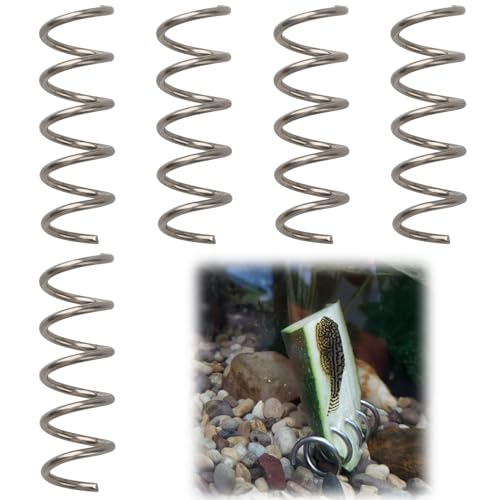
Algae Wafers
Fish Tank Aquarium Vegetable Feeder for Plecos
Algae Wafers fish food listed for comparison. We have not yet researched this product in depth — check the full specifications on the retailer's page.

Api Goldfish
TetraFin Plus Goldfish Flakes Balanced Diet With Algae To Promote H…
Api Goldfish fish food listed for comparison. We have not yet researched this product in depth — check the full specifications on the retailer's page.

Freeze Dried
Hikari Bio-Pure Freeze Dried Blood Worms for Pets, 0.42-Ounce
Freeze Dried fish food listed for comparison. We have not yet researched this product in depth — check the full specifications on the retailer's page.
